↑ Adjacent Solitude

André ClemetsenAdjacent Solitude

39 photographs in 25 works

More than just a human being

I am more than justa human being

wandering aroundwithout feelingthat I am livinga complete life.

My breath does not receiveenough oxygento feelthat love flowsin the bloodand runs like a societythrough allmy veins.

The science

Street trees in London are counted per kilometre of street, and the count varies a lot from one borough to the next. The public health researcher Mark S. Taylor and colleagues set those counts against the antidepressants prescribed in each borough. One more tree per kilometre came with 1.18 fewer prescriptions per thousand residents. Every tree in the count stands at a kerb, in front of a house or a shop.

Mark S. Taylor and others, Landscape and Urban Planning, 2015
doi.org/10.1016/j.landurbplan.2014.12.005
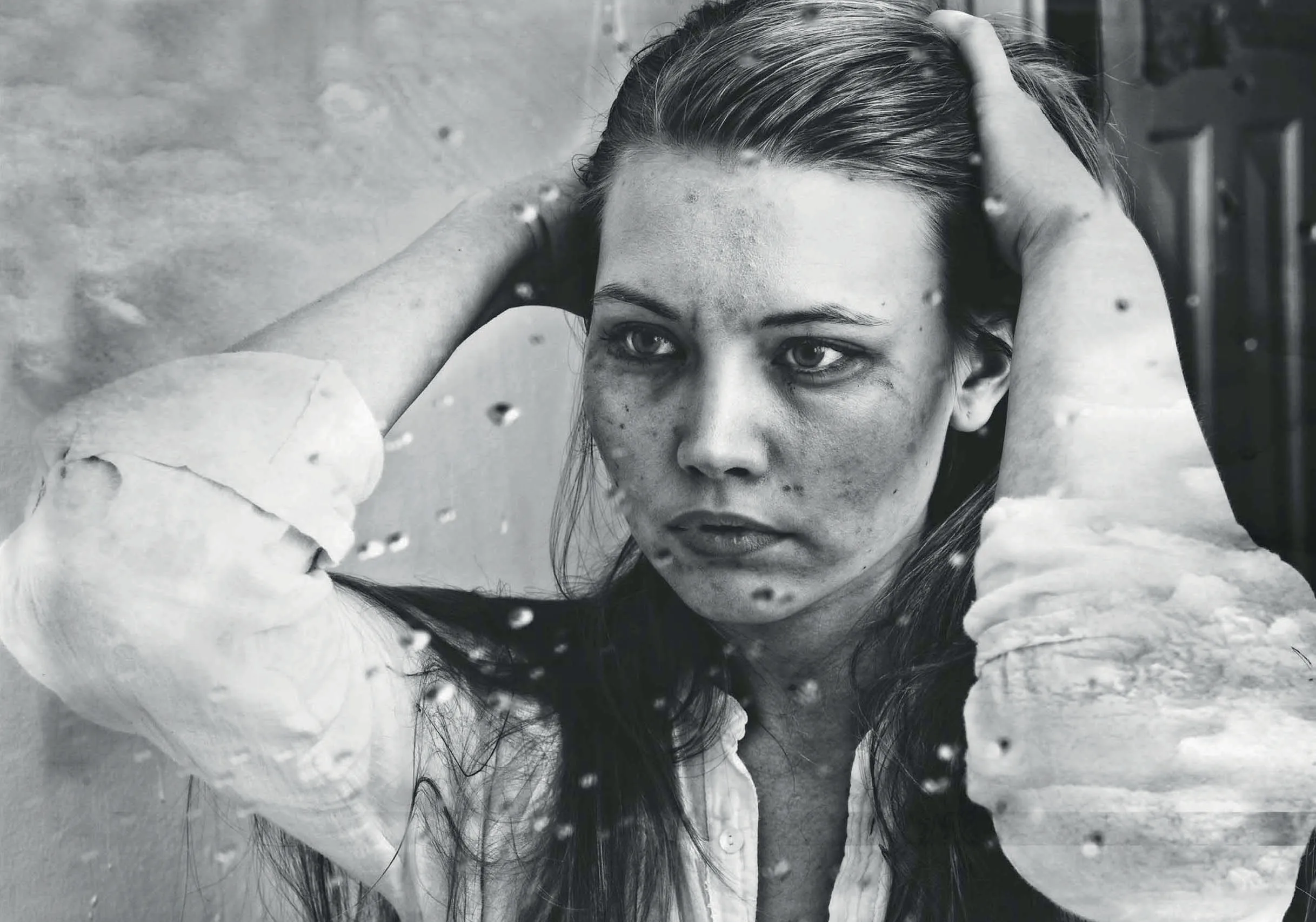
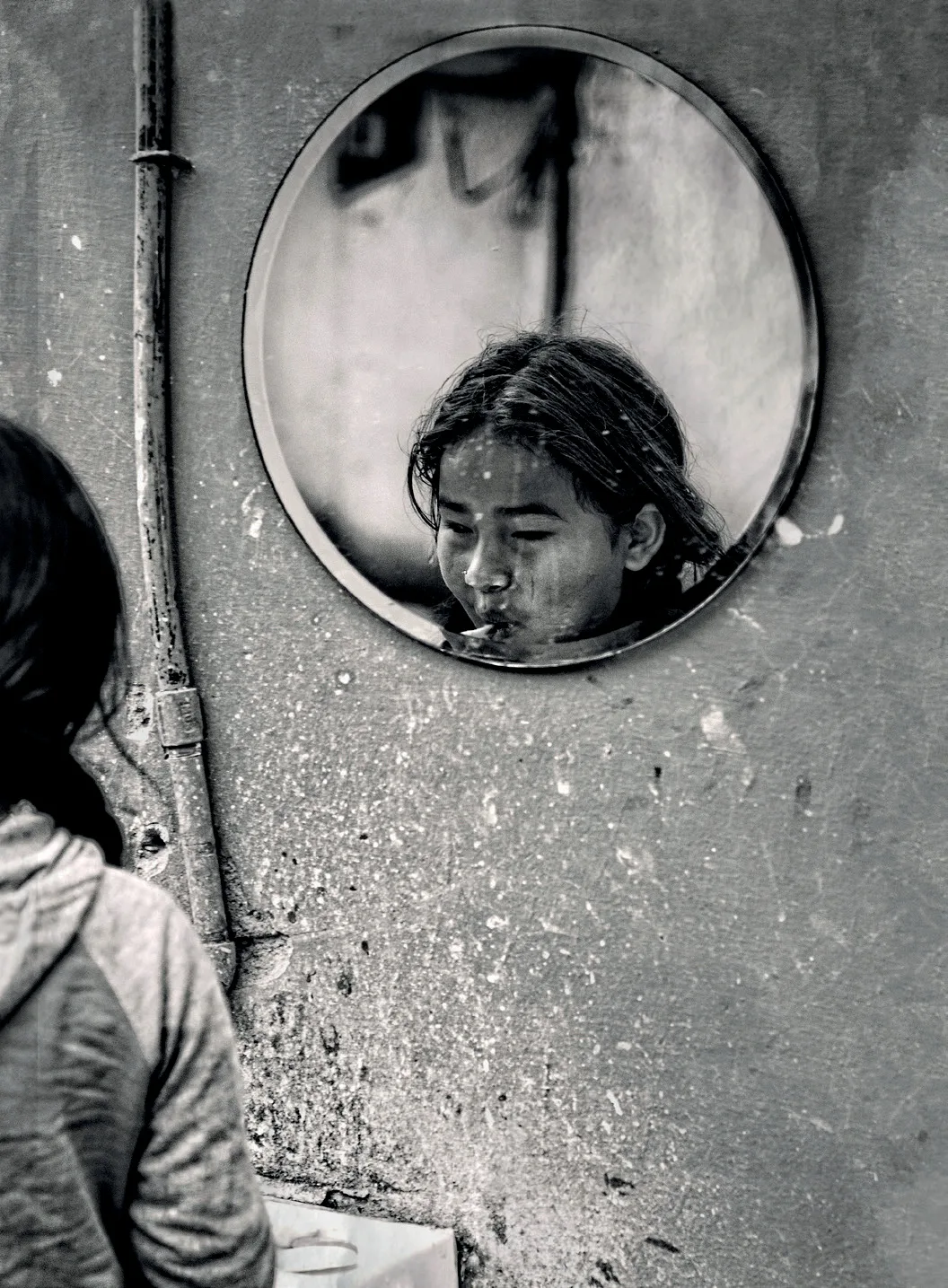
The prison I made myself

I brush my teethand refuse to lookat my reflectionas a grownwoman –because I know my tearswill run like a river

for all that was lost,which I carried with mefrom childhood –and which became mylifeline.I will never leave the prisonI have always createdfor myself.

The science

In the spring of 2020, researchers on four long-running studies in Denmark, France and the UK put the same questions about housing and state of mind to 69,136 people they had been following for years. The epidemiologist Amélie Keller and colleagues pooled the four sets of answers and looked at who said they were lonely. People living alone said so at three times the odds of people living with others.

Amélie Keller and others, Scientific Reports, 2022
doi.org/10.1038/s41598-022-09316-4

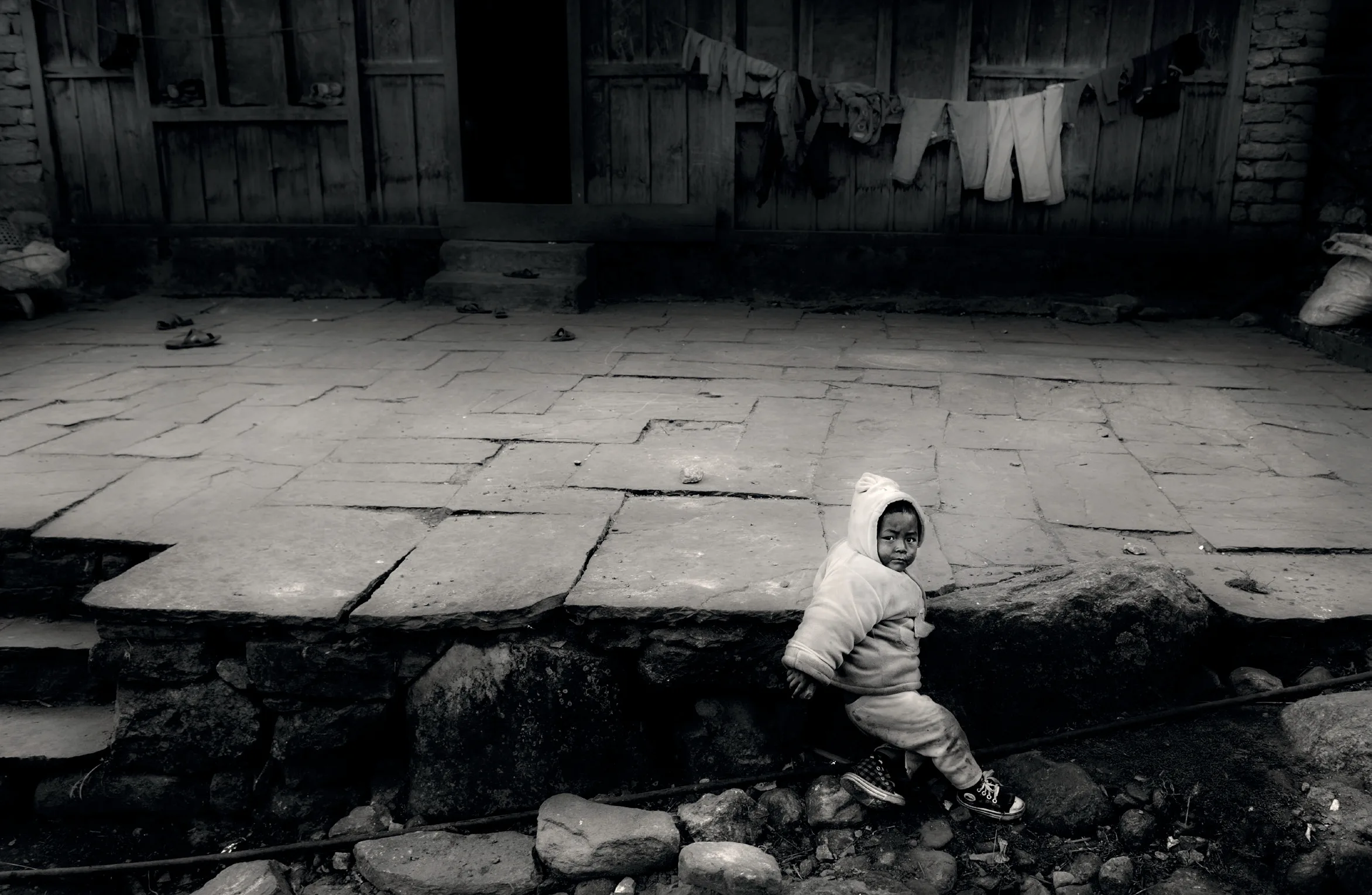
The gutter was my playground

The gutter was myplaygroundand gave me a viewover a neighbourhoodthat never carried hopein its eyes.

We lived between oldtimberand concreteblocksthat feltlike a warthat was never won.

The science

In 36 Barcelona schools, the parents of 2,111 children reported how much time each child spent playing in green space, and parents and teachers scored the same children's behaviour. The environmental epidemiologist Elmira Amoly and colleagues set the two against each other. The children who played out about an hour and a half more a day scored 8.2% lower for emotional symptoms and 15.4% lower for trouble with other children.

Elmira Amoly and others, Environmental Health Perspectives, 2014
doi.org/10.1289/ehp.1408215

The summer that never shines

We wait for the summerthat never shinesbetween the streetswe never escape from.

Loneliness is a prisonnot even Godcan open the gate to.

The science

756 people carried an app that asked them at random moments how crowded the place around them felt and whether they felt lonely. Between April 2018 and March 2020 they answered 16,602 times. The mental health researcher Ryan Hammoud and colleagues found people about 40% more likely to feel lonely at a moment when the place felt crowded. When they felt part of what was going on, the odds ran about a fifth lower.

Ryan Hammoud and others, Scientific Reports, 2021
doi.org/10.1038/s41598-021-03398-2

My legs are so tired

My legs are so tiredthat not even a peabeneath ten mattressescan awaken meto life

The science

The environmental design researcher Xiaorui Wang and colleagues measured how far the buildings close a street in, then asked 1,089 adults aged 40 to 59, all living on the third floor or below, how they slept. Where the street was more closed in, they slept longer, lay awake less and said they felt safer. Where a street scored well for walking, the same people slept less and felt less safe.

Xiaorui Wang and others, Building and Environment, 2026
doi.org/10.1016/j.buildenv.2026.114711

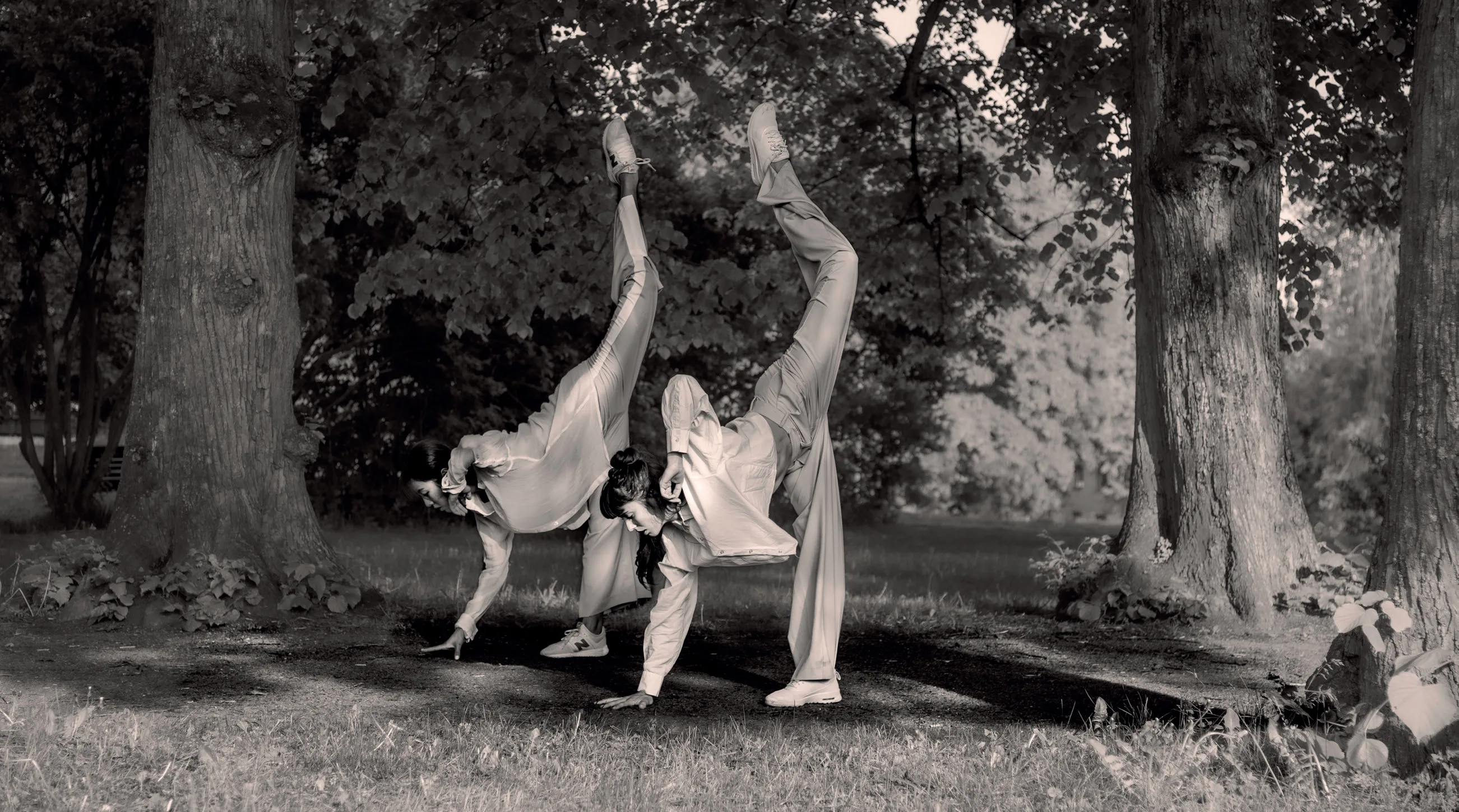
An open circus

The city is an open circusif you dare to see the humor in those you pass.And nothing is betterthan turning cartwheels on the way to work.

The science

In 2022, the criminologist Renee Zahnow and the co-author Jonathan Corcoran stopped 278 residents of Brisbane in parks, transit stations, shops and thoroughfares. They asked them about familiar strangers: the faces a person sees there again and again and knows only by sight. They set those encounters against how strongly each person felt they belonged. A sense of belonging grew out of these encounters, in places outside the person's own neighbourhood.

Renee Zahnow and Jonathan Corcoran, Urban Studies, 2024
doi.org/10.1177/00420980241265033

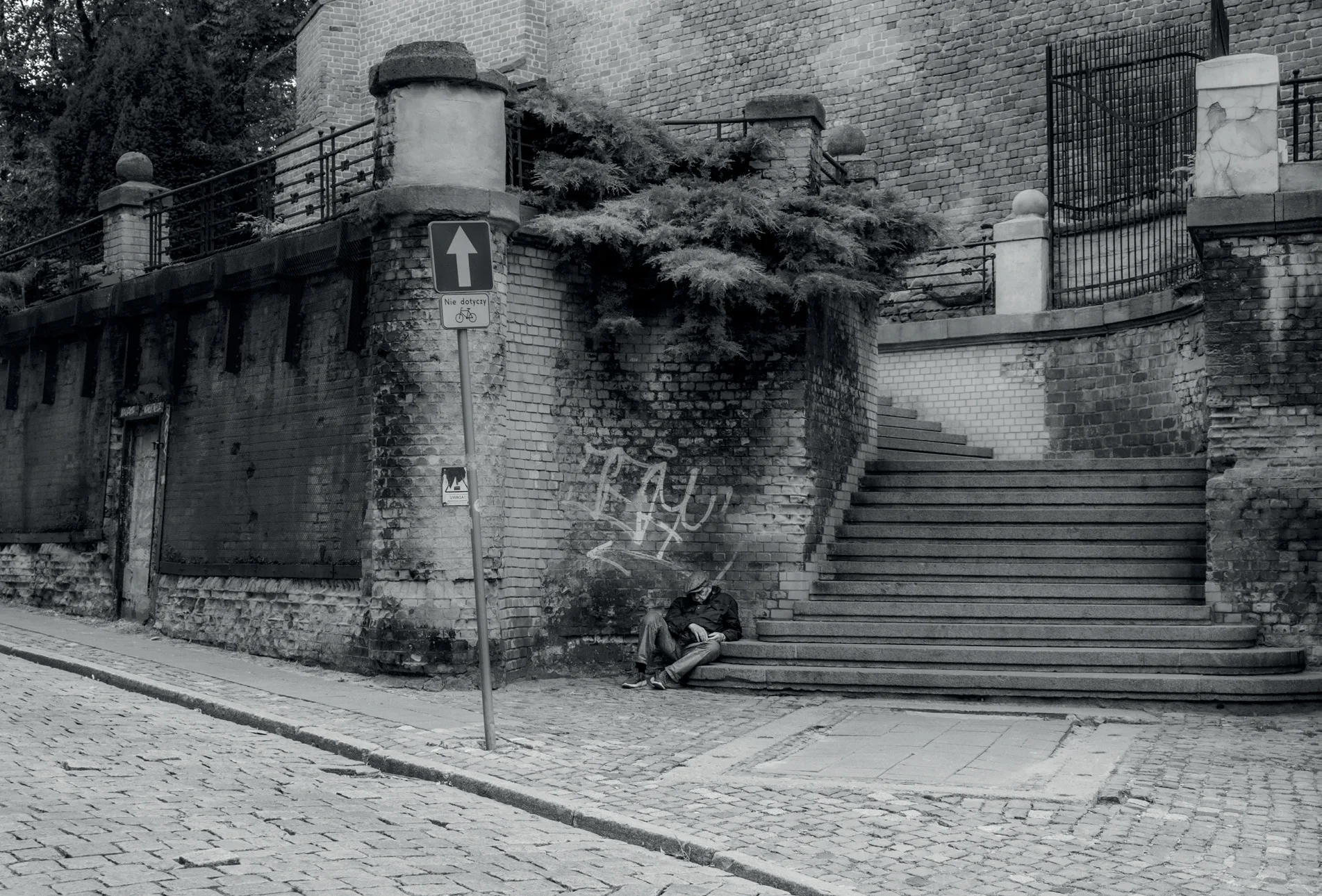
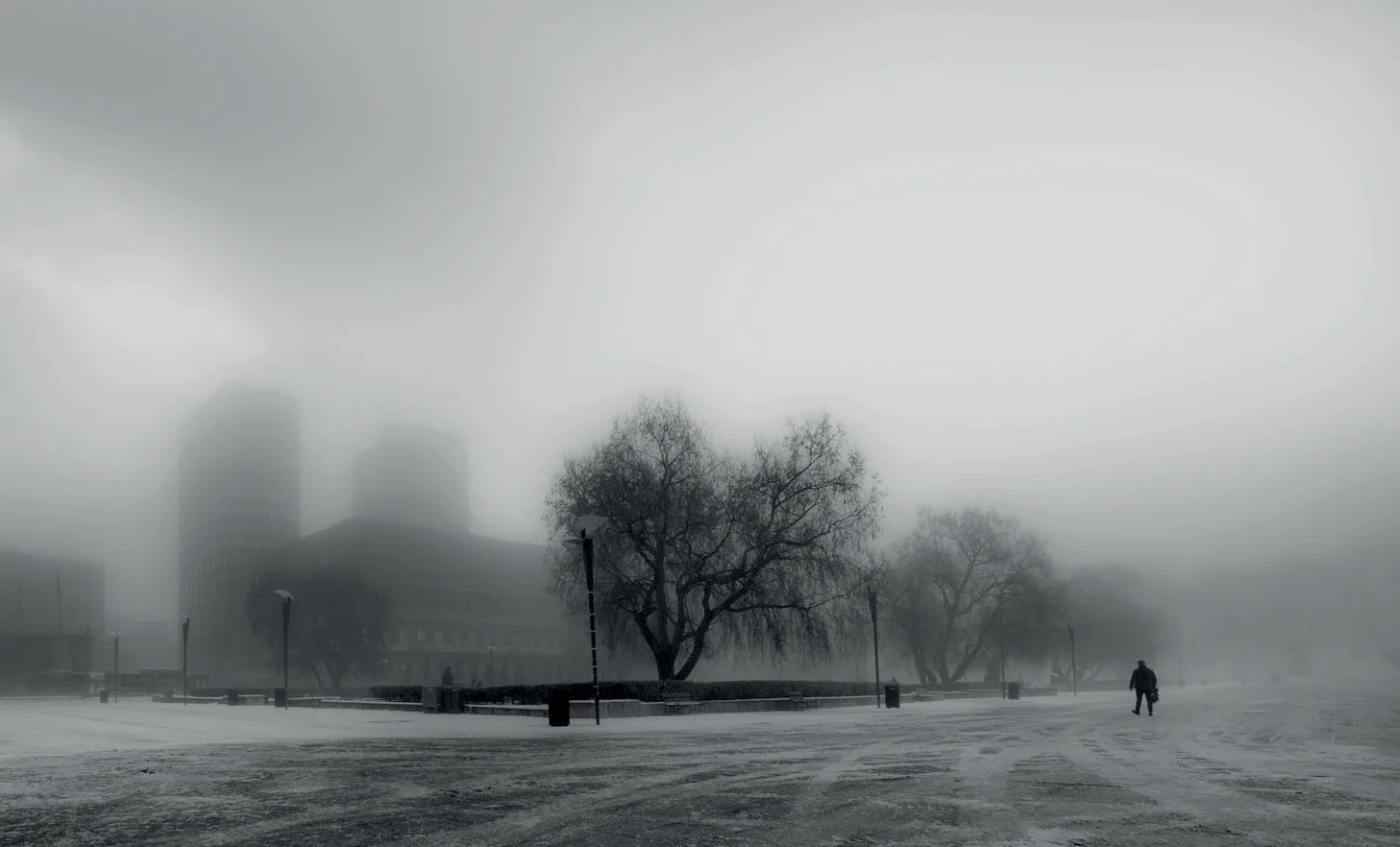
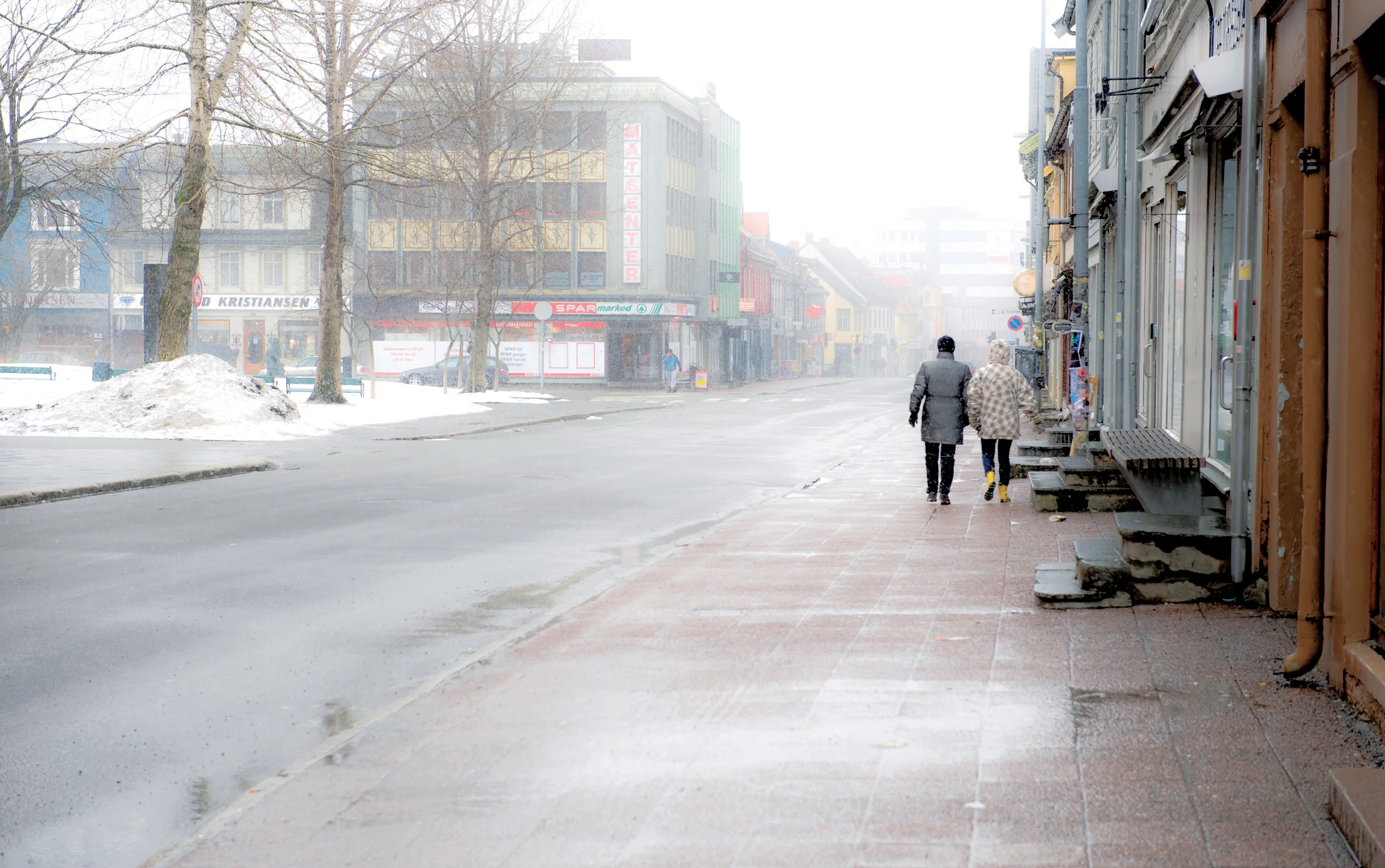
The last ghost in our city

I am the last ghostin our city.Not even the church bellscan be heard

beneath the thick fogof lonelinessthe entire housing blockcarries on its back.

The science

Denmark keeps a patient register, a prescription register and a building register, and the three can be read together person by person. The public health researcher Anne Marie Kirkegaard and colleagues did that for 14,387 people between 2000 and 2018. People in rented flats were treated for depression 1.32 times as often as people who owned a detached house, and people in rented terrace houses 1.23 times as often. Indoor annoyances account for 11% of that gap and loneliness for 8%.

Anne Marie Kirkegaard and others, BMC Public Health, 2025
doi.org/10.1186/s12889-025-22473-1

Even the darkest room

The unbearable existenceof never fitting in –even though all my lifeI have forced my way forward,even where the abandonedwere never given space –

gives me the feelingthat in the endeven the darkest roomwill give me light.

The science

Green space does more for the health of people with less money. The urban planner Alessandro Rigolon and colleagues went through 90 studies and sorted 85 of them by the income of the people in them. Across the 36 comparisons that looked at public parks the gap was nearly three times what it was across the 78 that looked at greenery in general.

Alessandro Rigolon and others, IJERPH, 2021
doi.org/10.3390/ijerph18052563

Life will never be a circus

I have seen deathmore than onceand fought my way throughto keep my placein the flock.Even with ten knivesin my heart,

balancing likea juggler –life will neverbe a circus.

The science

At one Pennsylvania hospital between 1972 and 1981, patients recovering from gallbladder surgery were put in whichever room was free. That makes the window a matter of chance. The geographer Roger S. Ulrich went through ten years of those records and found 23 patients whose window faced a stand of trees and 23 whose window faced a brick wall. The tree group left sooner, took fewer strong painkillers and drew fewer negative remarks in the nurses' notes.

Roger S. Ulrich, Science, 1984
doi.org/10.1126/science.6143402

The trees showed joy

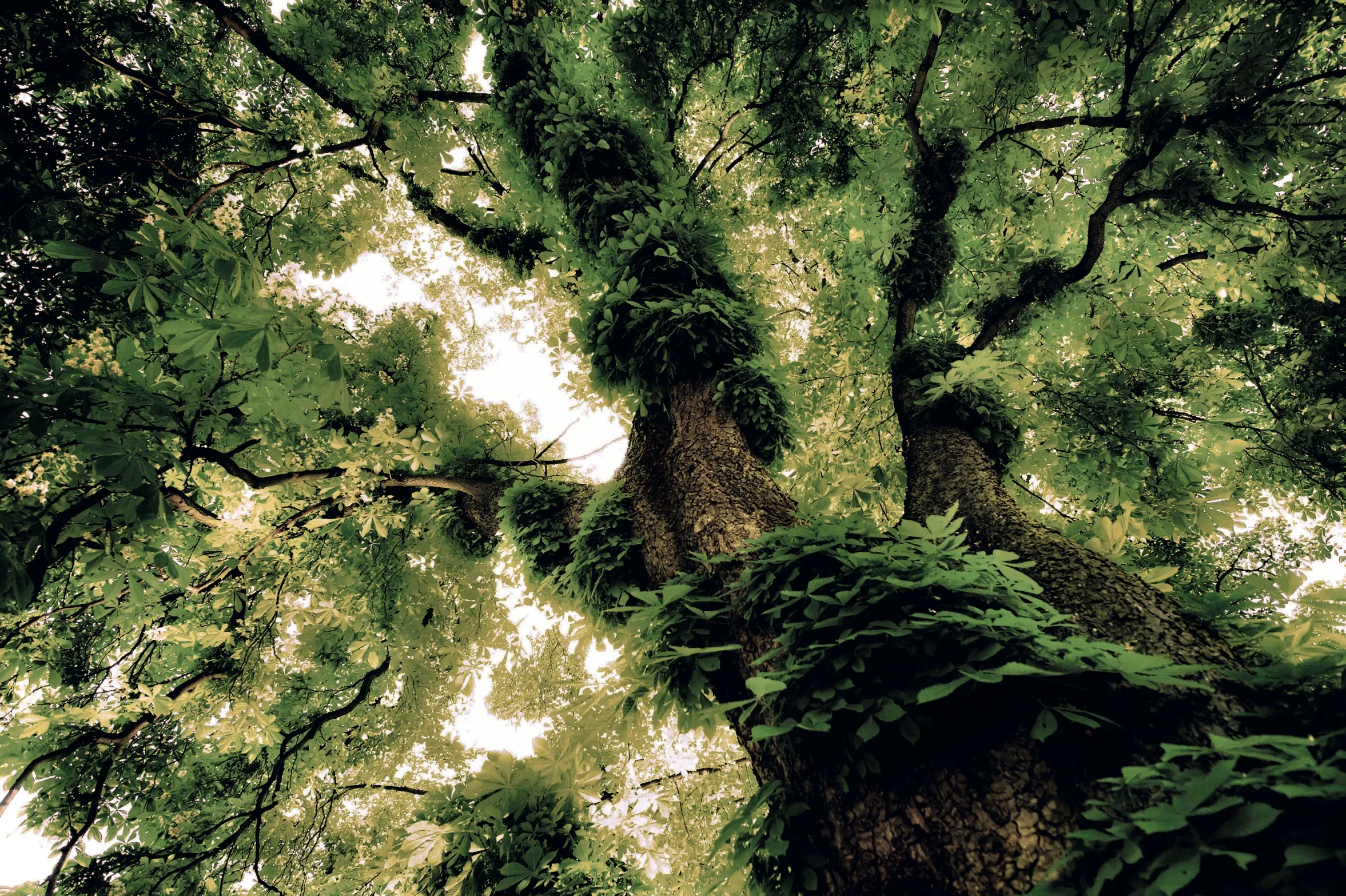
Once we were a pulsing city, and even at the darkest hourof autumn we could see the trees show joy.

The science

The ecologist Daniel T. C. Cox and colleagues tested five features of a neighbourhood's nature against depression, anxiety and stress among the residents. Two came through: how much vegetation stands there, and how many birds are about in the afternoon, when the residents are about too. Both worked as thresholds. Depression was lower above roughly 20% vegetation cover, anxiety above 30%.

Daniel T. C. Cox and others, BioScience, 2016
doi.org/10.1093/biosci/biw173

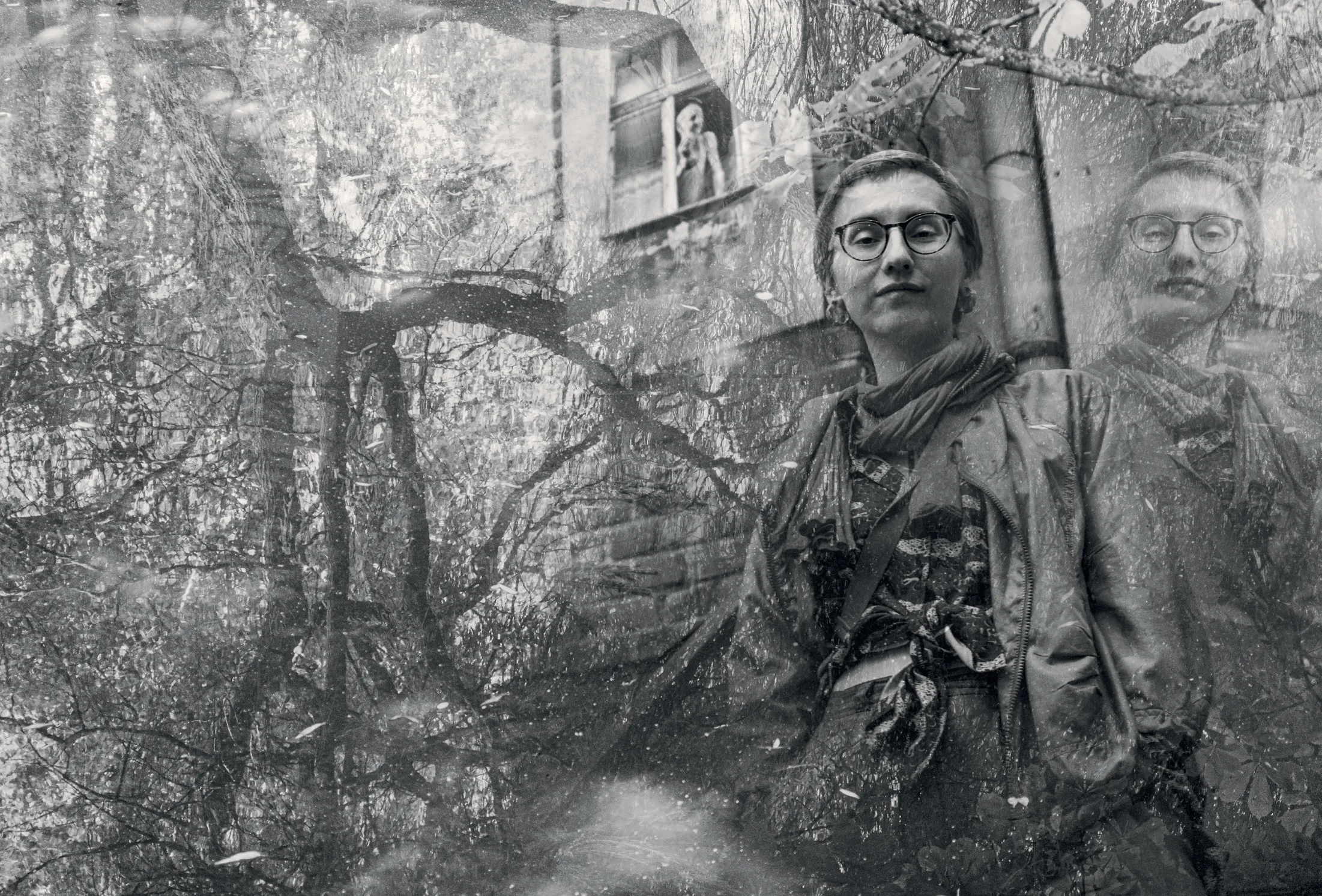
At home in my city

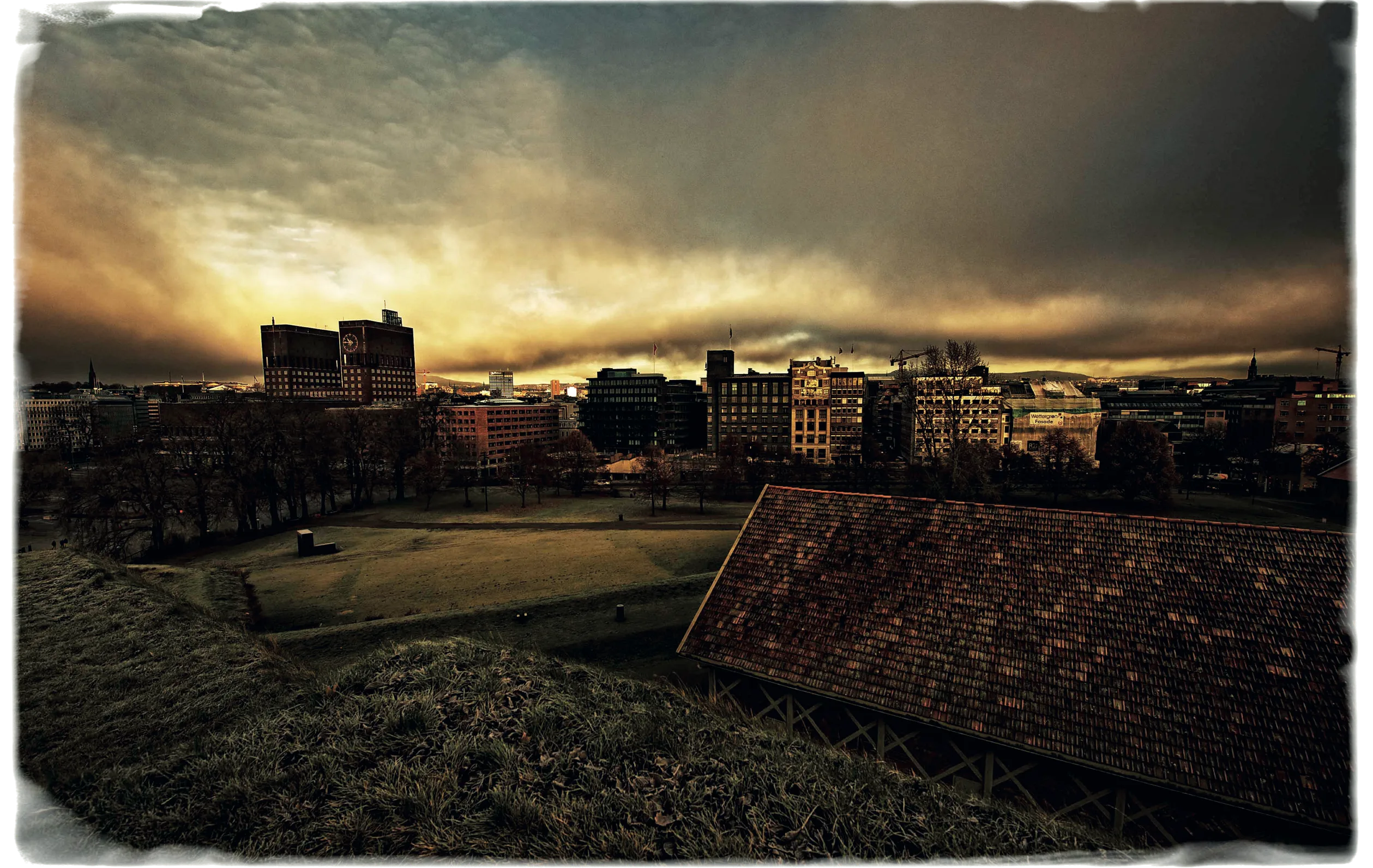
I feel at home in my city.In the time before winter settleslike a quiet desert landscape overthe rooftops.

The autumn air, the frost on thegrass – small signs of something larger.And out there, above the city,the view opens toward the future.

The science

35,005 people living in Norway answered a survey on how strongly they felt they belonged where they live. The same survey asked how much meaning they found in their lives. The outdoor education researcher Raúl Grau Ruiz and the co-author Helga Synnevåg Løvoll set the answers against the outdoor spaces near each home. A recreation area within 200 metres of home and a hiking area within 500 metres both went with a stronger sense of belonging and more meaning in life. The recreation area went with them more strongly.
Raúl Grau Ruiz and Helga Synnevåg Løvoll, Journal of Adventure Education & Outdoor Learning, 2024
doi.org/10.1080/14729679.2024.2412081

The sea gives me dreams

The sea gives me dreamsI could never seethrough the eyesof a neglected child.

The science

The parents of 2,111 Barcelona schoolchildren were asked how many days in the year the family went to the beach. The environmental epidemiologist Elmira Amoly and colleagues set those days against the behaviour scores the parents and teachers had given the same children. The children who went about one day more every ten scored 3.9% lower for total difficulties and 16.8% lower for trouble with other children.

Elmira Amoly and others, Environmental Health Perspectives, 2014
doi.org/10.1289/ehp.1408215

A loneliness without colour

My mother came from thecountrysideand spent my entire childhoodspeaking ofhow beautiful it was.

Even though her own lifebecame a lonelinesswithout colour.

The science

3,043 Australians were asked about loneliness in October 2020 and again sixteen months later. The population health researchers Thomas Astell-Burt and Xiaoqi Feng tracked who stopped being lonely and how many hours a week each of them spent in nature. Of those lonely at the start, 29.4% were no longer lonely at the end. Among those whose loneliness was the sort a person feels even in company, 41.2% were, and three to four hours a week in nature went with that relief.

Thomas Astell-Burt and others, Environmental Research, 2024
doi.org/10.1016/j.envres.2024.120016

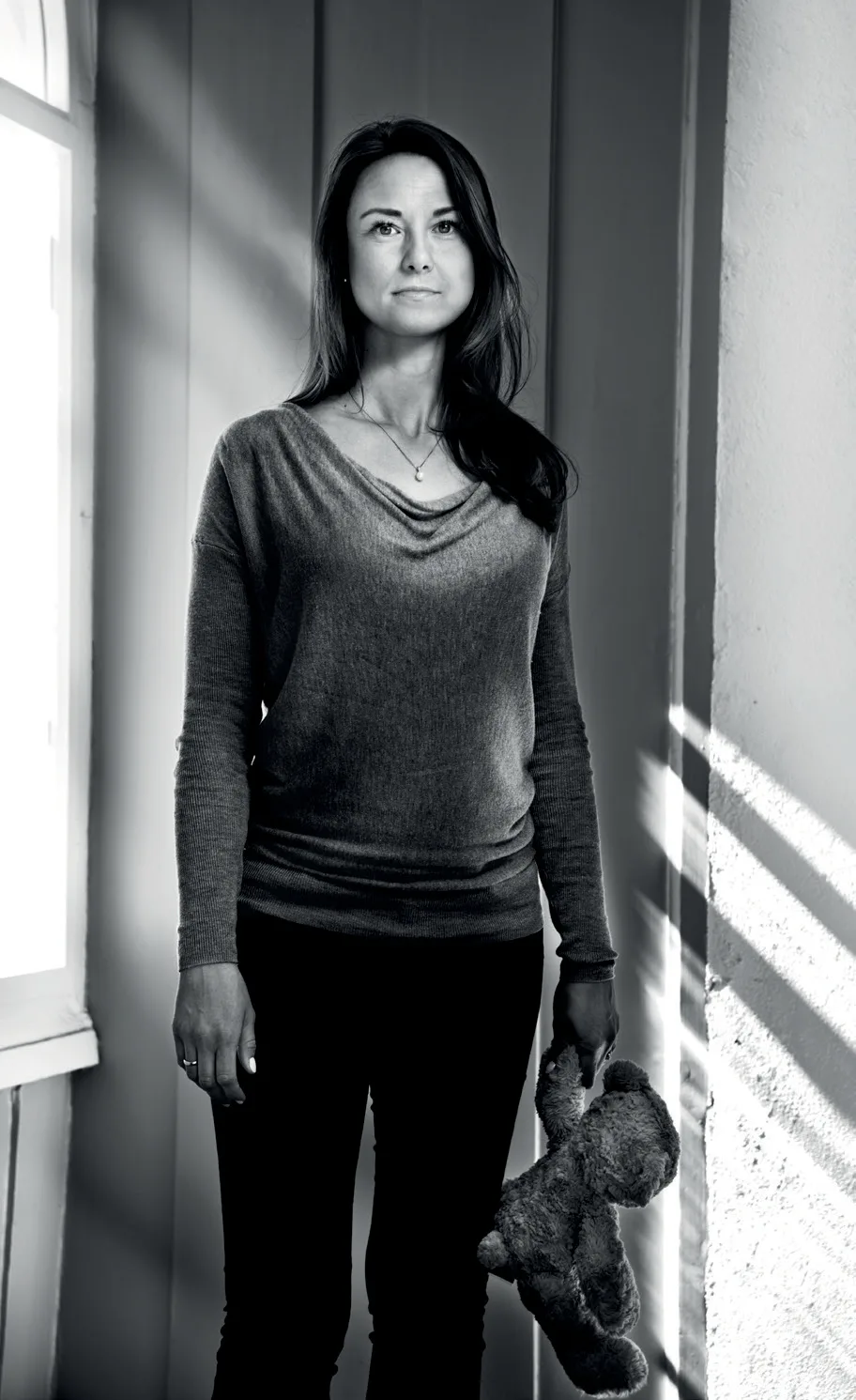
A life of rehearsal

As a ballet dancerI dreamed of a grandfatherwho could carry meon his back

after training –so my toescould restfrom a life of rehearsal.

The science

25 adults spent 90 minutes in a forest and, on another day, 90 minutes in an industrial environment, then pedalled to exhaustion in a laboratory after each. The human evolutionary physiologist Daniel Longman and colleagues ran the two in random order. They lasted 14.6 minutes after the forest and 13.5 after the industrial site, and their mood and their rated effort moved the same way.

Daniel P. Longman and others, American Journal of Biological Anthropology, 2026
doi.org/10.1002/ajpa.70270

Do not leave me where I lie

Do not leave mewhere I liewatching the coloursof the sky's widebrim

The science

1,516 people answered the same questions about their mood, their depression and a recent blow in their lives. The environmental psychologist Melissa R. Marselle and colleagues compared the 1,081 who walked with a nature group, 631 of them every week, against the 435 who did not. Walking with the group lifted their mood by more than the recent blow had lowered it.

Melissa R. Marselle and others, IJERPH, 2019
doi.org/10.3390/ijerph16060986

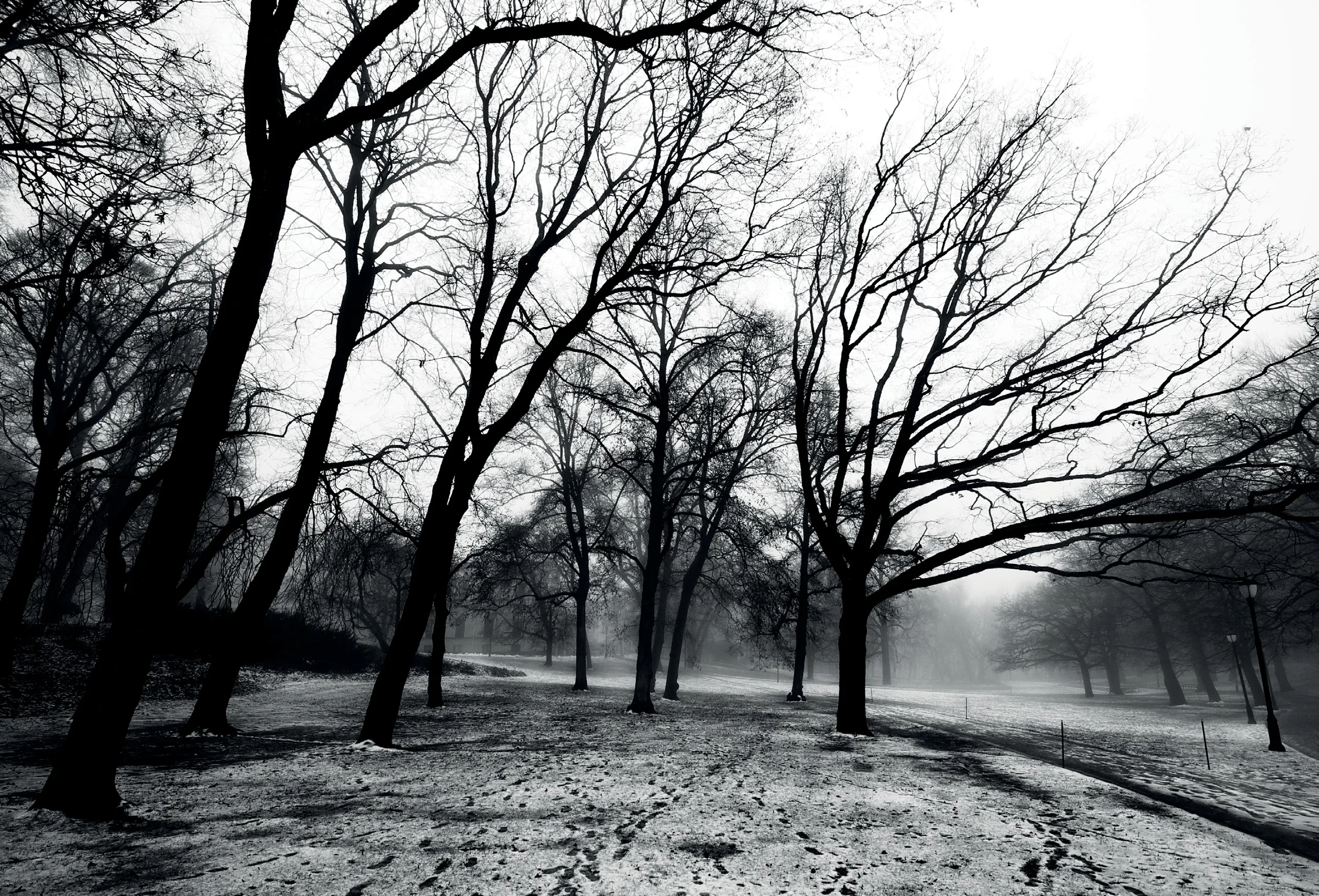
A mountain no wind can move

Grief is a mountainno wind can move –a darknessin the depths of theunknown.

The science

213 adults watched a one-minute video every day for a week: 108 of them overwhelming landscape, 105 of them ordinary greenery. The clinical psychologist Liesbeth Bogaert and colleagues measured circling thoughts, the damping of good feelings and plain happiness, before, straight after and a week later. Both groups improved on all three measures. One minute of ordinary greenery a day did as much as one minute of overwhelming landscape.
Liesbeth Bogaert and others, Applied Psychology: Health and Well-Being, 2024
doi.org/10.1111/aphw.12578

The trees along the river

Nothing compares to the trees along the city's river,whispering quiet words of love.

There, I believe everyone feels held and cared for –even if yesterday was heavy with darkness.

The science

For a fortnight, a smartphone app asked 299 people three times a day how they were, and they answered 7,975 times in all. 87 of them had a diagnosis of mental illness. The mental health researcher Nicol Bergou and colleagues compared the answers given within 24 hours of a visit to a canal or river with the rest. After a visit, people scored 1.35 points higher for wellbeing, on a scale from 10 for the lowest to 50 for the highest, before any adjustment. Time by a canal or river went with higher wellbeing than time in a green space. The link held for people with a diagnosis and for people without one.

Nicol Bergou and others, PLoS ONE, 2022
doi.org/10.1371/journal.pone.0271306

To change one's gaze

I am afraid –even though I have not yet livedlong enoughto knowthat possibilities are notcreatedby dreams,

but by the powerof workingto change one's gazeinto something else.

The science

Twelve controlled experiments have put children and teenagers in front of nature and then measured how they think. The psychologist Dianne Vella-Brodrick and Krystyna Gilowska went through all twelve, covering ages 5 to 18, and rated ten of them as sound. Across those ten the children got better at holding one thing in view and letting the rest go, which is what psychologists call selective attention.

Dianne Vella-Brodrick and Krystyna Gilowska, Educational Psychology Review, 2022
doi.org/10.1007/s10648-022-09658-5

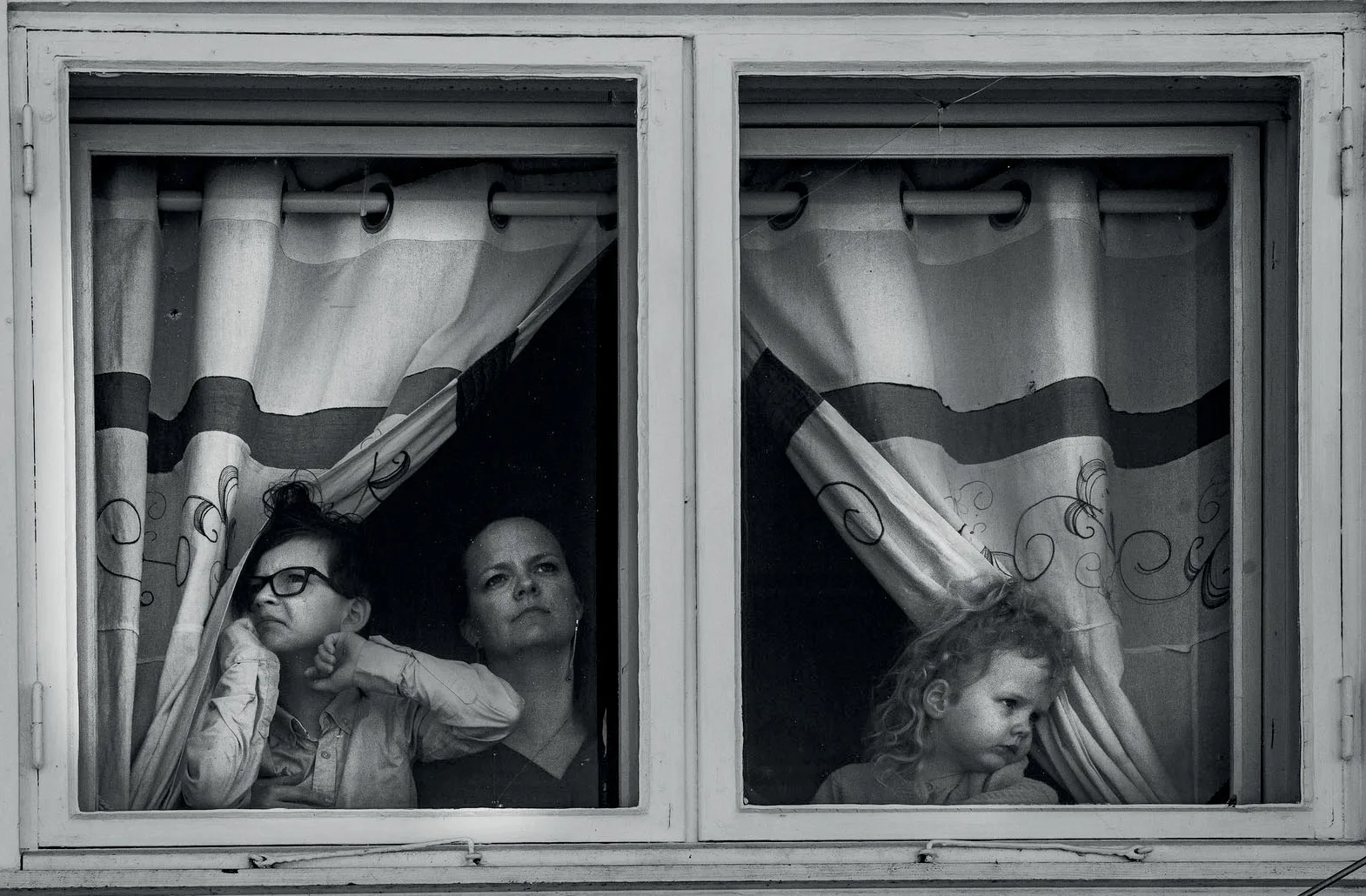
The city is colourblind

The city is colourblindand lives outside the entranceof an abandoned womanwho never foundanother love.

The science

Between 1895 and 2022, 132 peer-reviewed articles put colours against emotions, covering 42,266 people in 64 countries. The psychologists Domicelė Jonauskaitė and Christine Mohr brought all 132 together. Light colours went with the good feelings and dark ones with the bad. How light a colour is and how saturated it is count for as much as the hue itself.

Domicelė Jonauskaitė and Christine Mohr, Psychonomic Bulletin & Review, 2025
doi.org/10.3758/s13423-024-02615-z

Rain is the only mirror

They call my neighbourhood"hard asphalt" –and say that rainis the only mirrorthat makes the people herebeautiful.

The science

Barcelona's Eixos Verds plan would turn one street in every three into a green corridor, and the first phase is built, most of it in the Eixample. The urban health researcher Tamara Iungman and colleagues ran the finished plan through a health impact assessment. It would prevent 183 premature deaths a year, 178 of them through the green itself and 5 through the cooling.

Tamara Iungman and others, Environment International, 2025
doi.org/10.1016/j.envint.2025.109313

I will not surrender my origin

We are divided by the betrayalyou promisedwould never separate usfrom what we vowed.But neverwill I surrender my origin

or the self-imageI forged through the painyou let slip from your handsone summer night.

The science

The public health researcher Emily J. Rugel and colleagues scored every address in metropolitan Vancouver for natural space, then asked the people living there how they were. Where the share of natural space within 500 metres rose by one point, people were about 5% more likely to say they felt a very strong sense of belonging to their community. Those who felt it scored better on every mental health measure the study recorded.

Emily J. Rugel and others, Environmental Research, 2019
doi.org/10.1016/j.envres.2019.01.034

Split in two

You split me in twowith your confused mind,where you hated everythingabout yourself.

I had to divide the thought in twoin order to becomewhole again.

The science

Roughly 160,000 residential buildings in Cologne were modelled for what their windows look out on. The urban planning researcher Anna-Maria Bolte and colleagues then asked who lives behind them. Children and older people had slightly more green in view than the city average. Across the districts the green in a window runs from about a tenth of the view to nearly half.

Anna-Maria Bolte and others, Journal of Geovisualization and Spatial Analysis, 2025
doi.org/10.1007/s41651-025-00214-7

Madness is beautiful

Madness is beautifulwhen the nearest city parklets you danceall night.

The science

Nature as a treatment for people with a diagnosed mental disorder has been tested in 20 randomised trials, 1,299 patients between them. The public health researcher Sarah Blakeslee and colleagues gathered every one of them for the WHO and pooled the 12 that were close enough in shape. Depressive symptoms and anxiety both came down, anxiety the further of the two.

Sarah Blakeslee and others, Journal of Environmental Psychology, 2026
doi.org/10.1016/j.jenvp.2026.102919

A fistful of dollars

You sold my soulfor a fistful of dollars –and let my reflectionbecome an illusion.

The science

A Dutch municipality moved 70% of its workforce into a building designed around health and left the rest where they were. The move split the staff into two groups without anyone planning a study. The economist Juan Palacios and colleagues surveyed the whole workforce before and after. Sick building syndrome symptoms among those who moved fell by 42%, and sick leave by 2%.

Juan Palacios and others, PLoS ONE, 2020
doi.org/10.1371/journal.pone.0236029

The city faces the storm

The city faces the stormand survives the sorrowsthose in power handed usfor fifty years.

The science

Satellite images at 10-metre resolution show how much vegetation stands within 300 metres of every home in Italy, across 7,904 municipalities and 49 million adults. The epidemiologist Orazio Valerio Giannico and colleagues used them to ask what would follow if the whole country were as green as its greenest quarter already is. 28,433 deaths a year would be prevented and 279,324 years of life saved. That is about 5% of the country's mortality burden.

Orazio Valerio Giannico and others, Nature Communications, 2024
doi.org/10.1038/s41467-024-54388-7

About the series

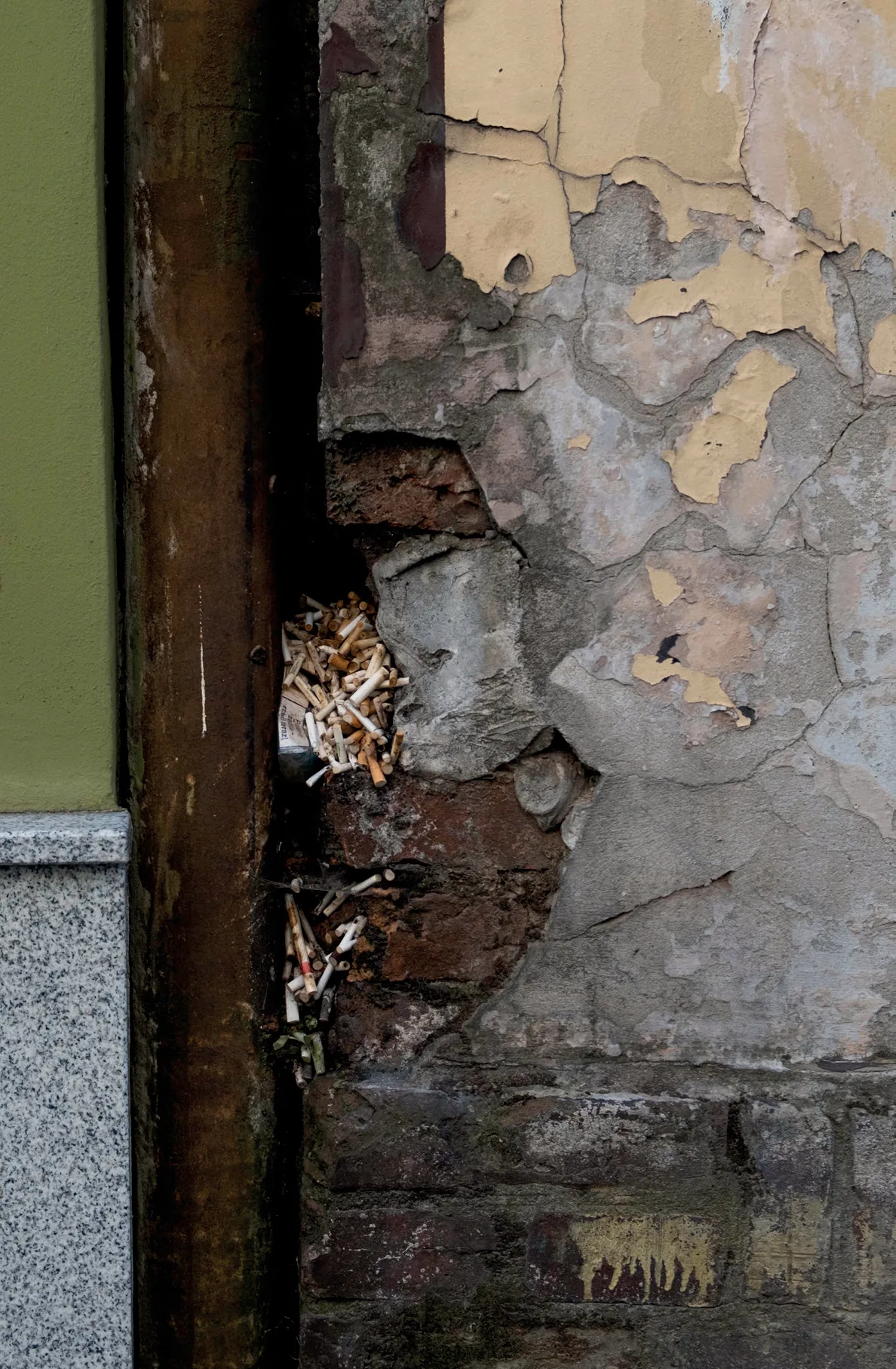
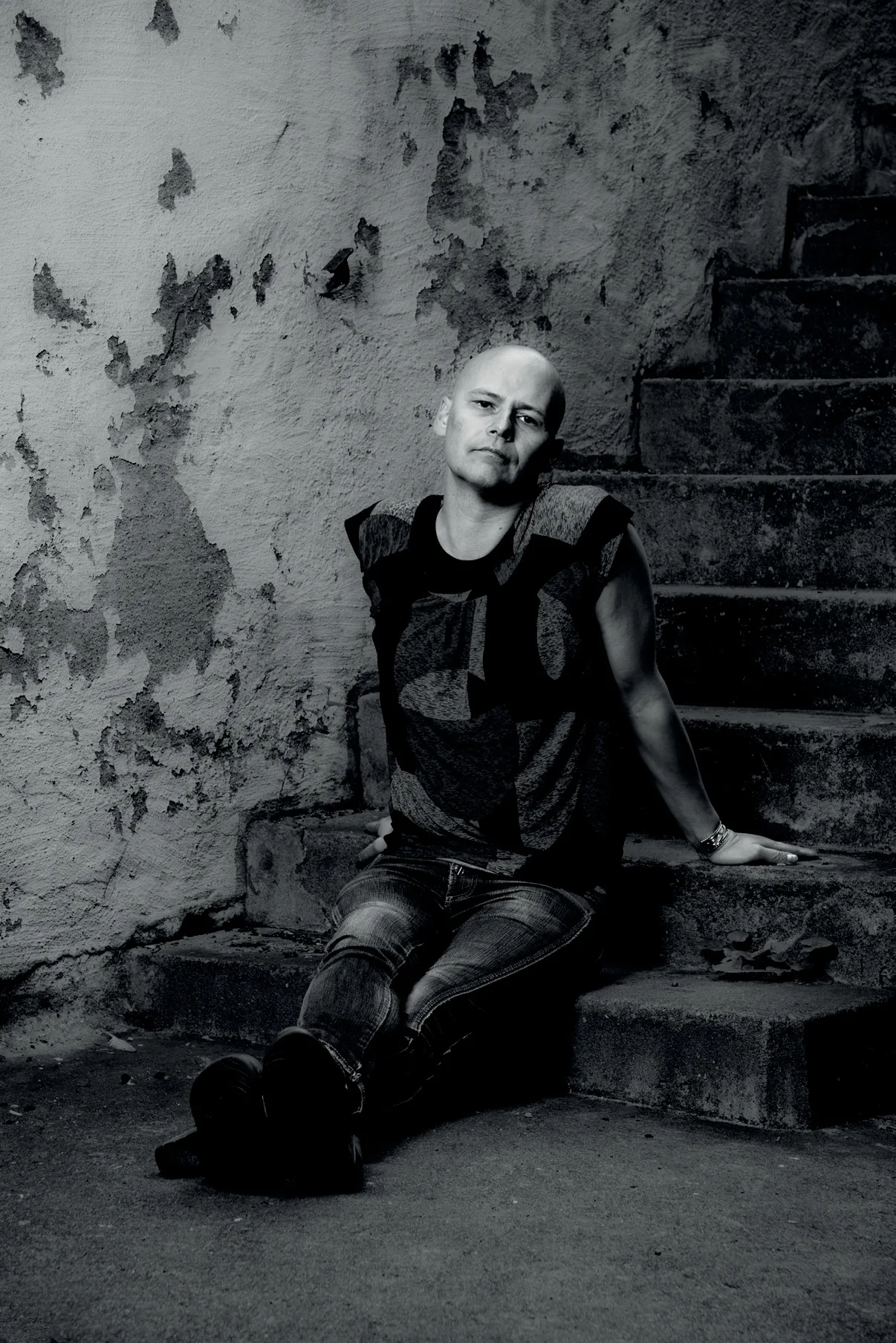
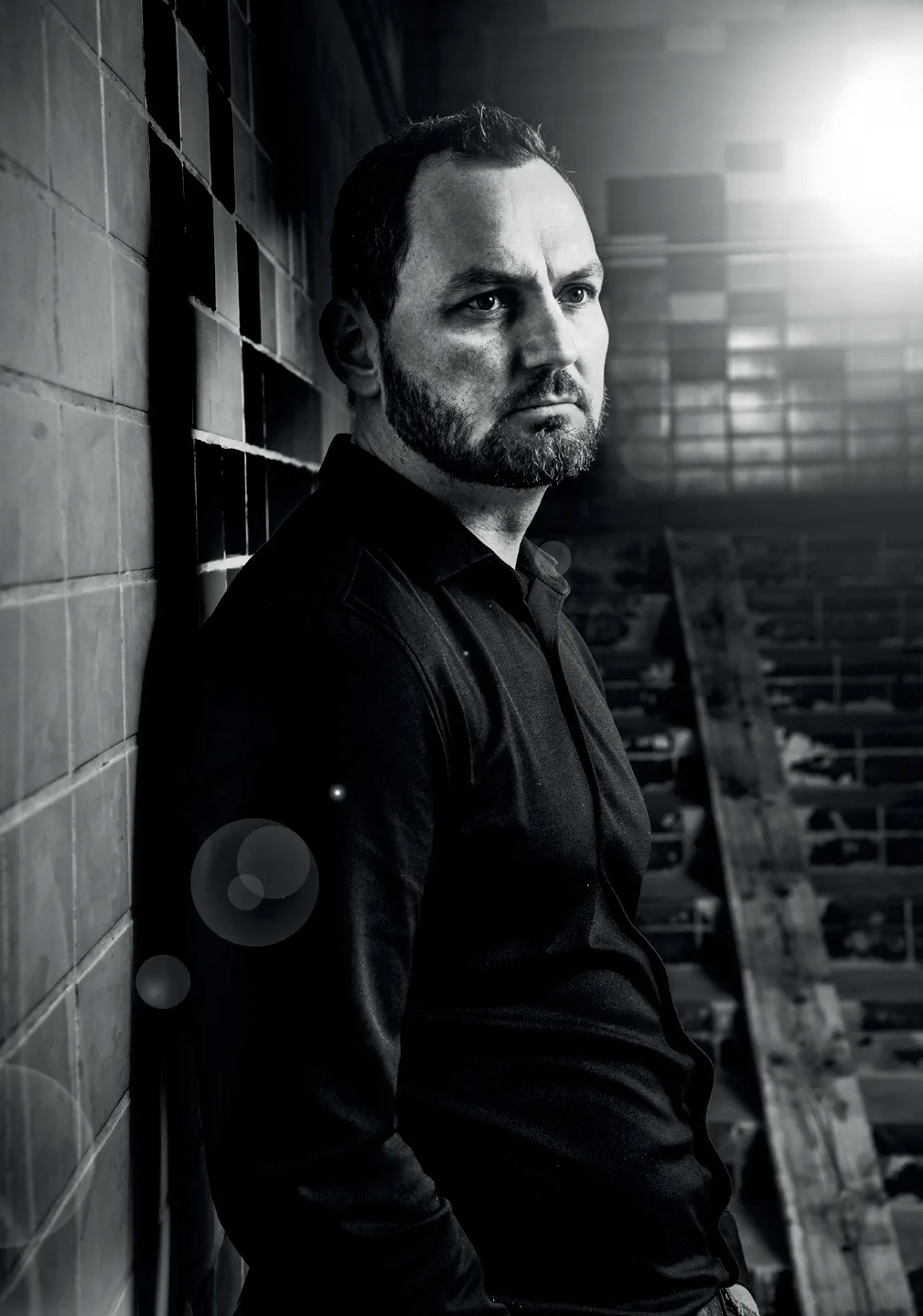
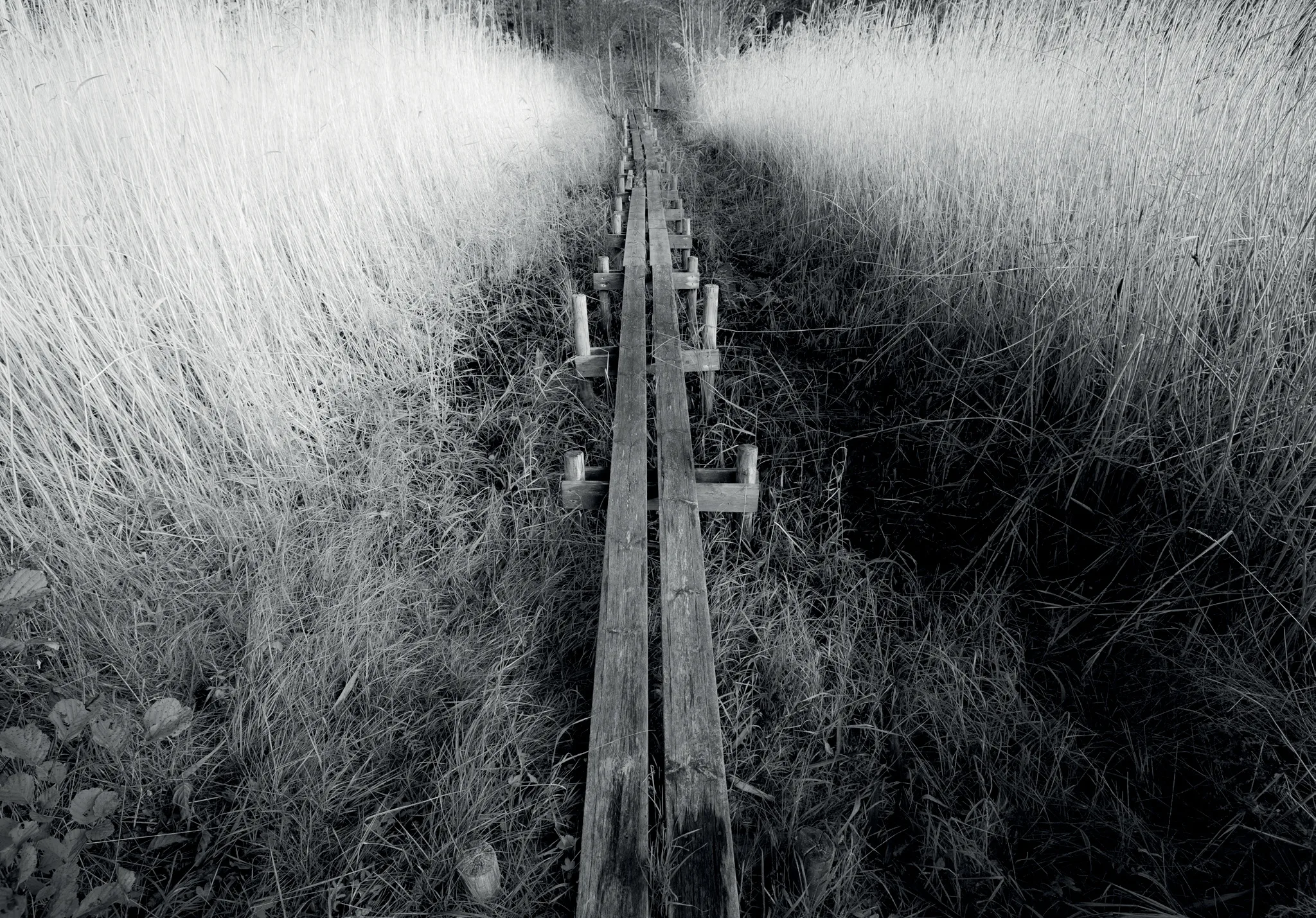
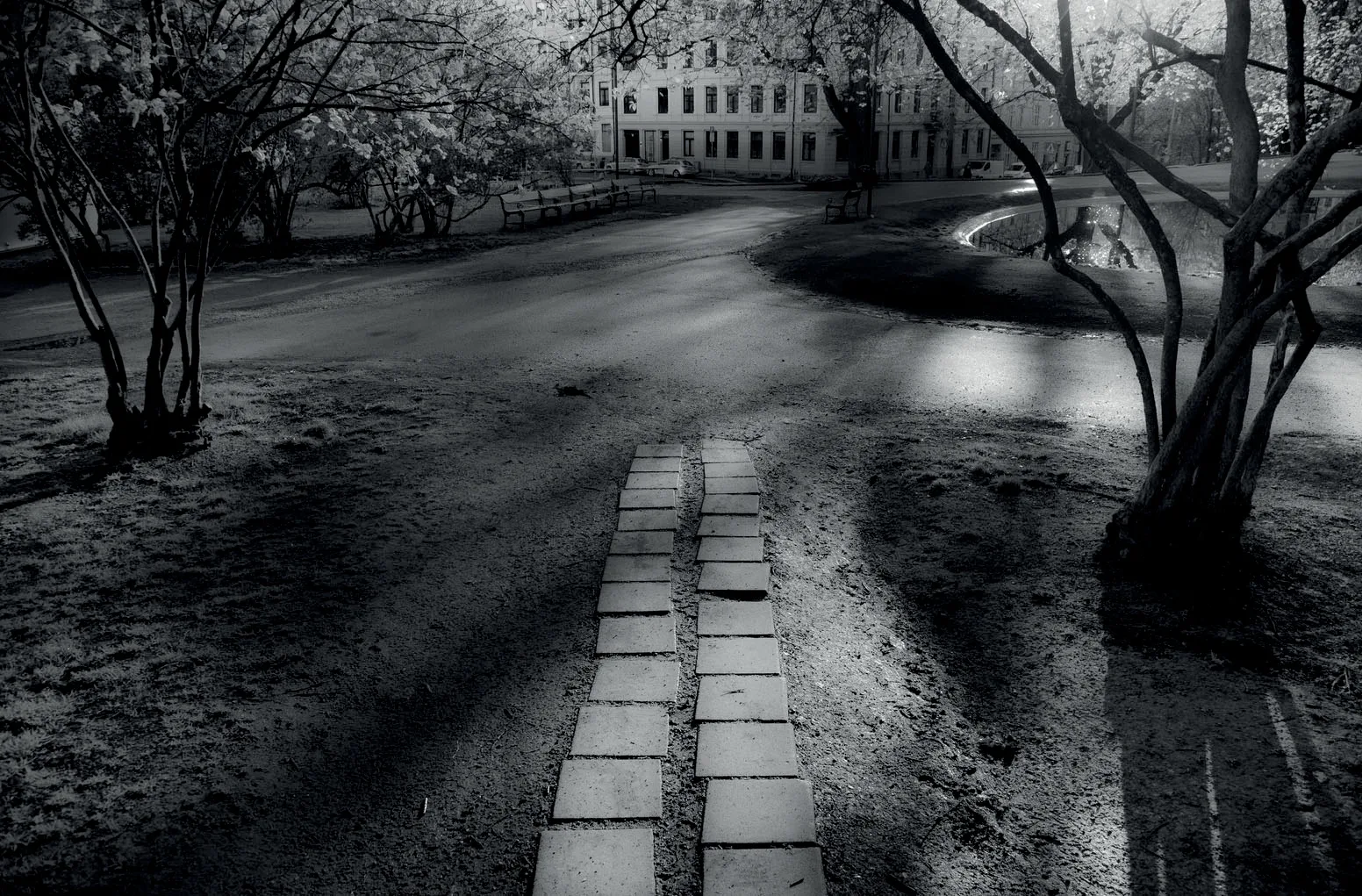
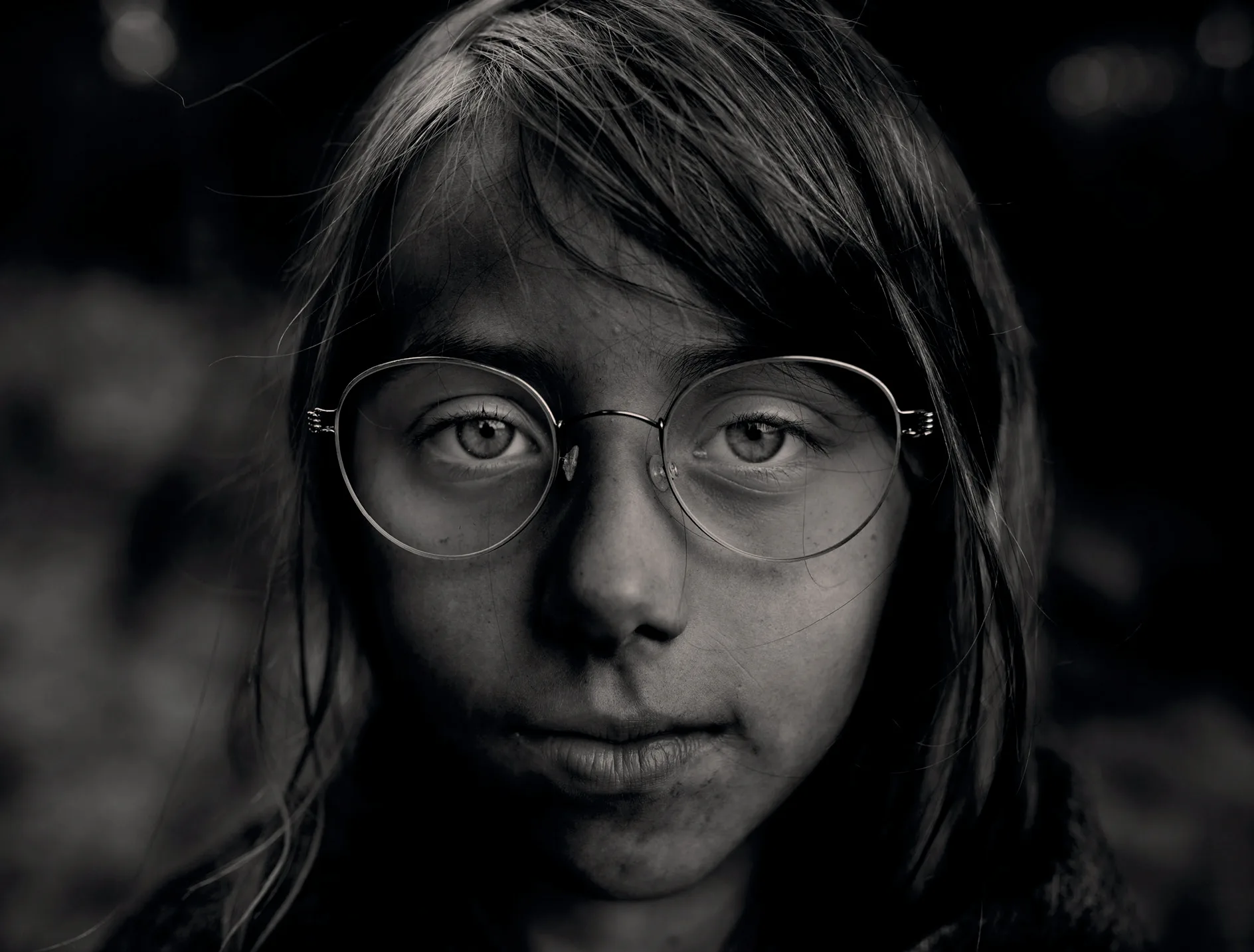
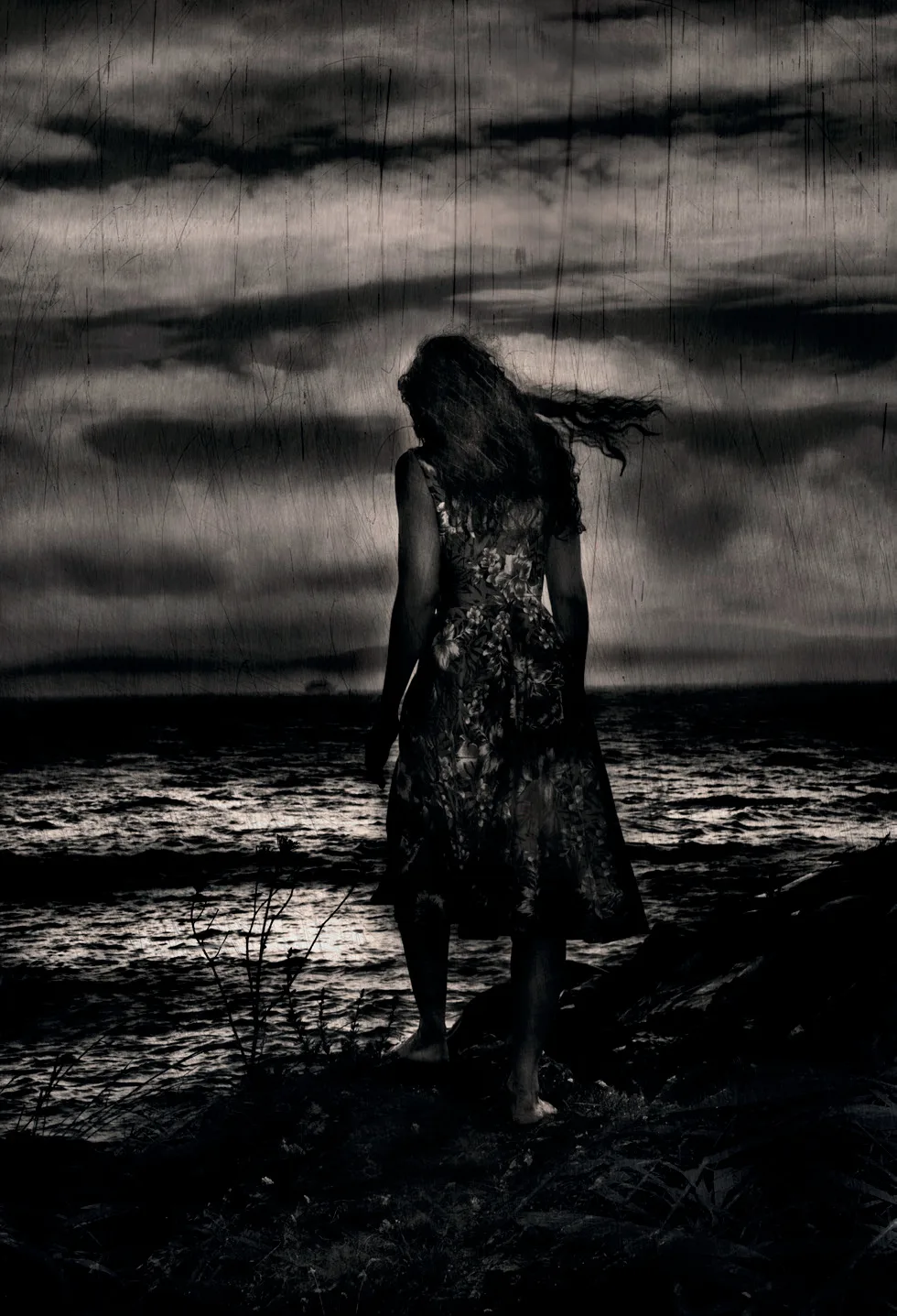
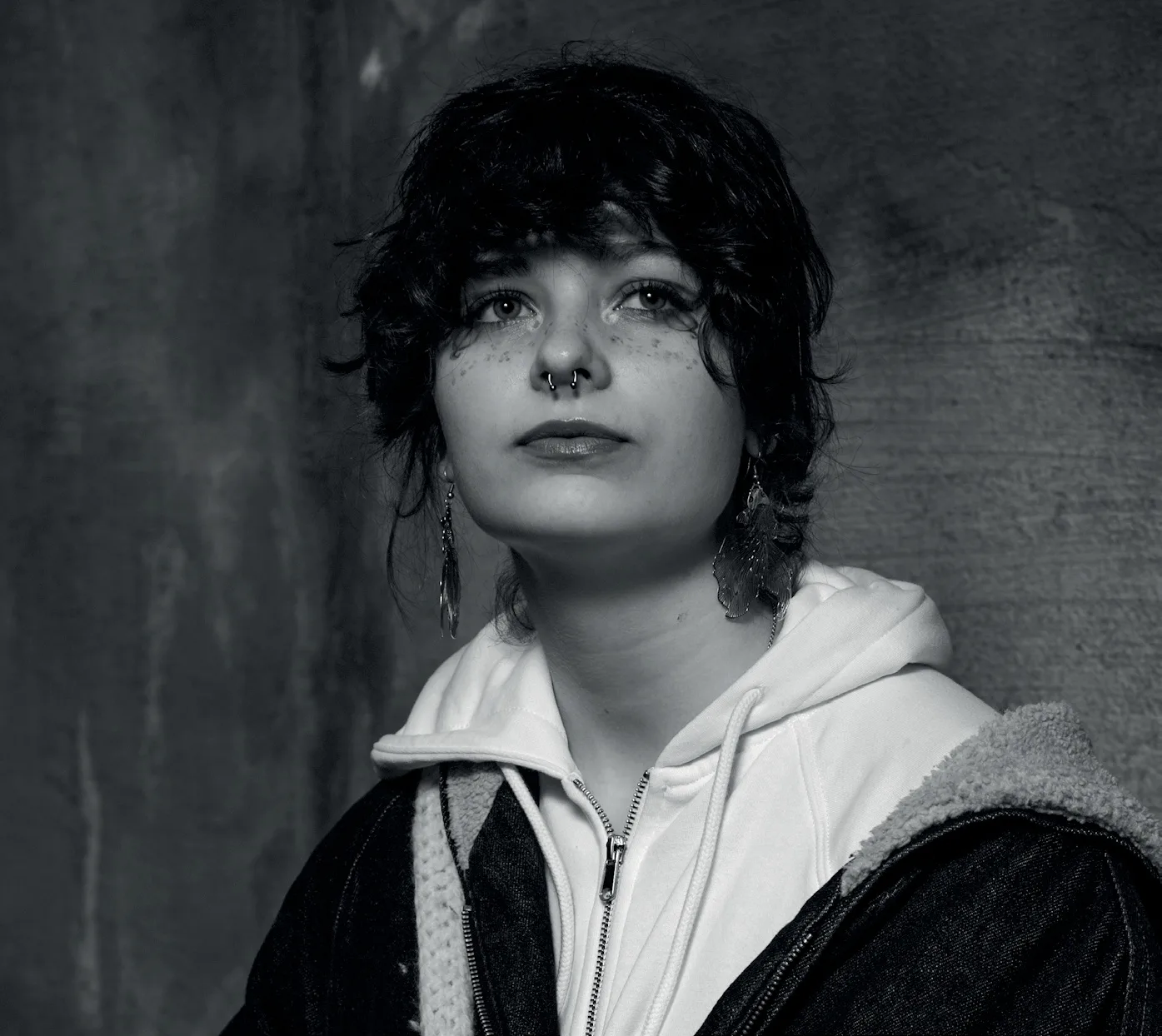
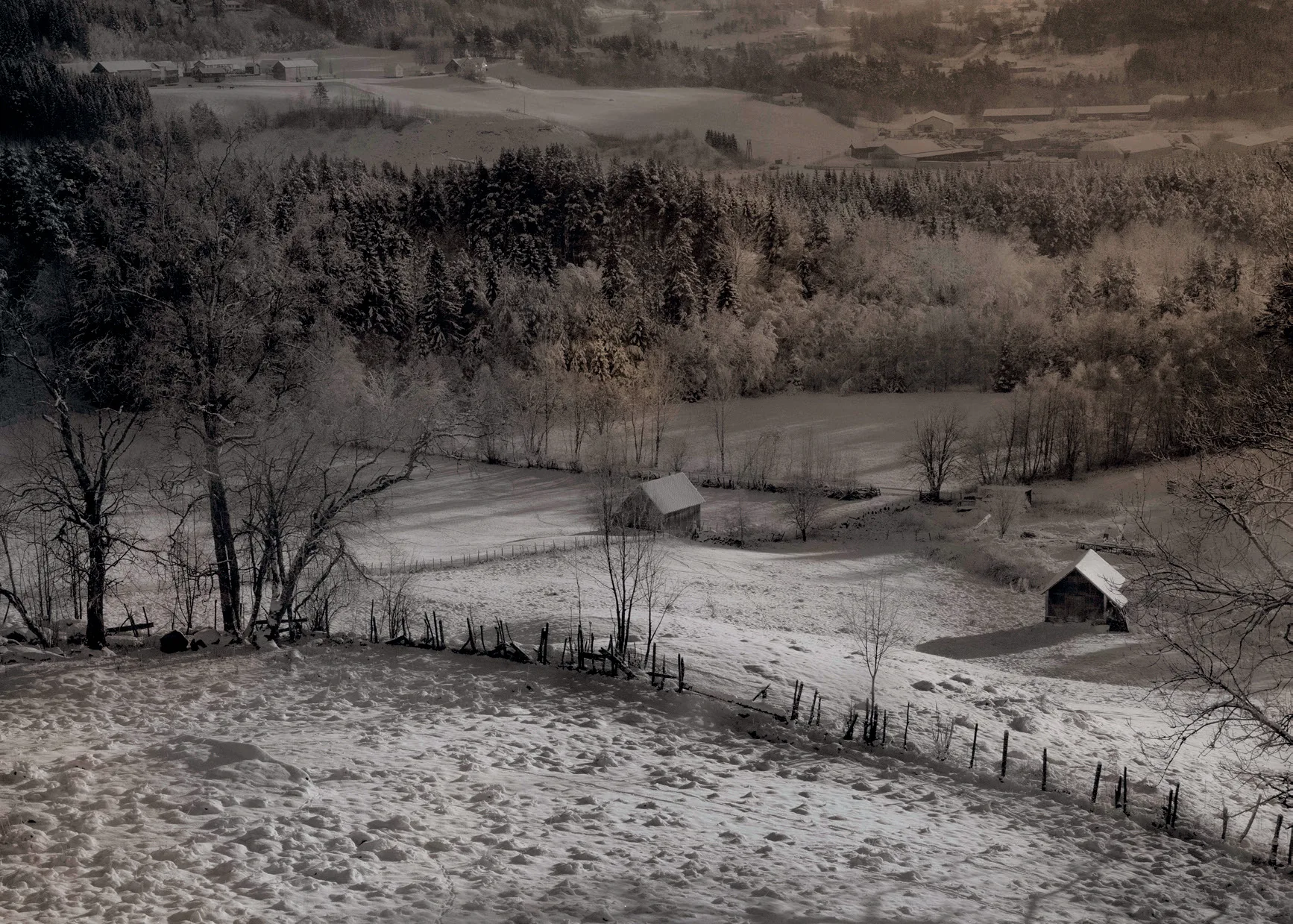
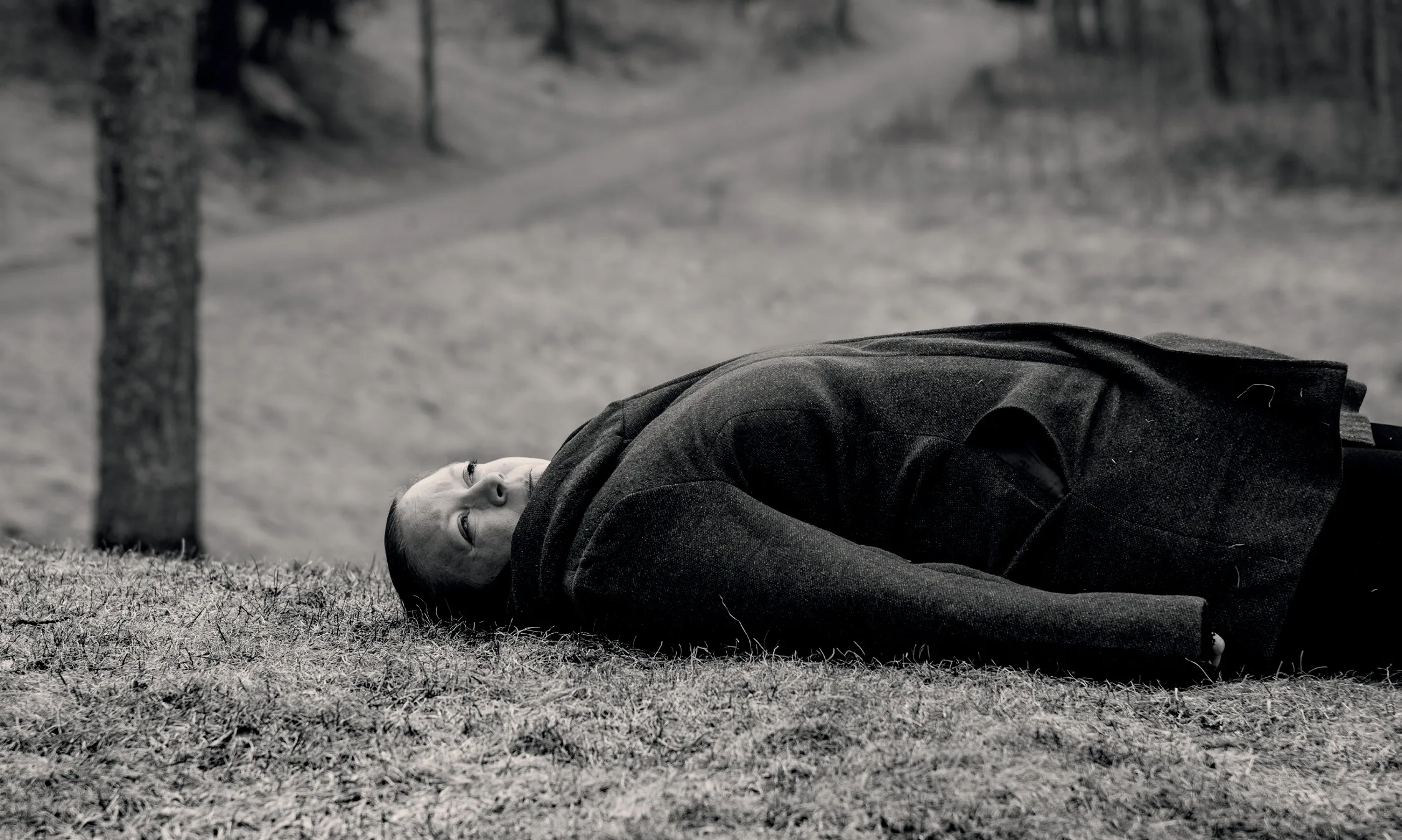
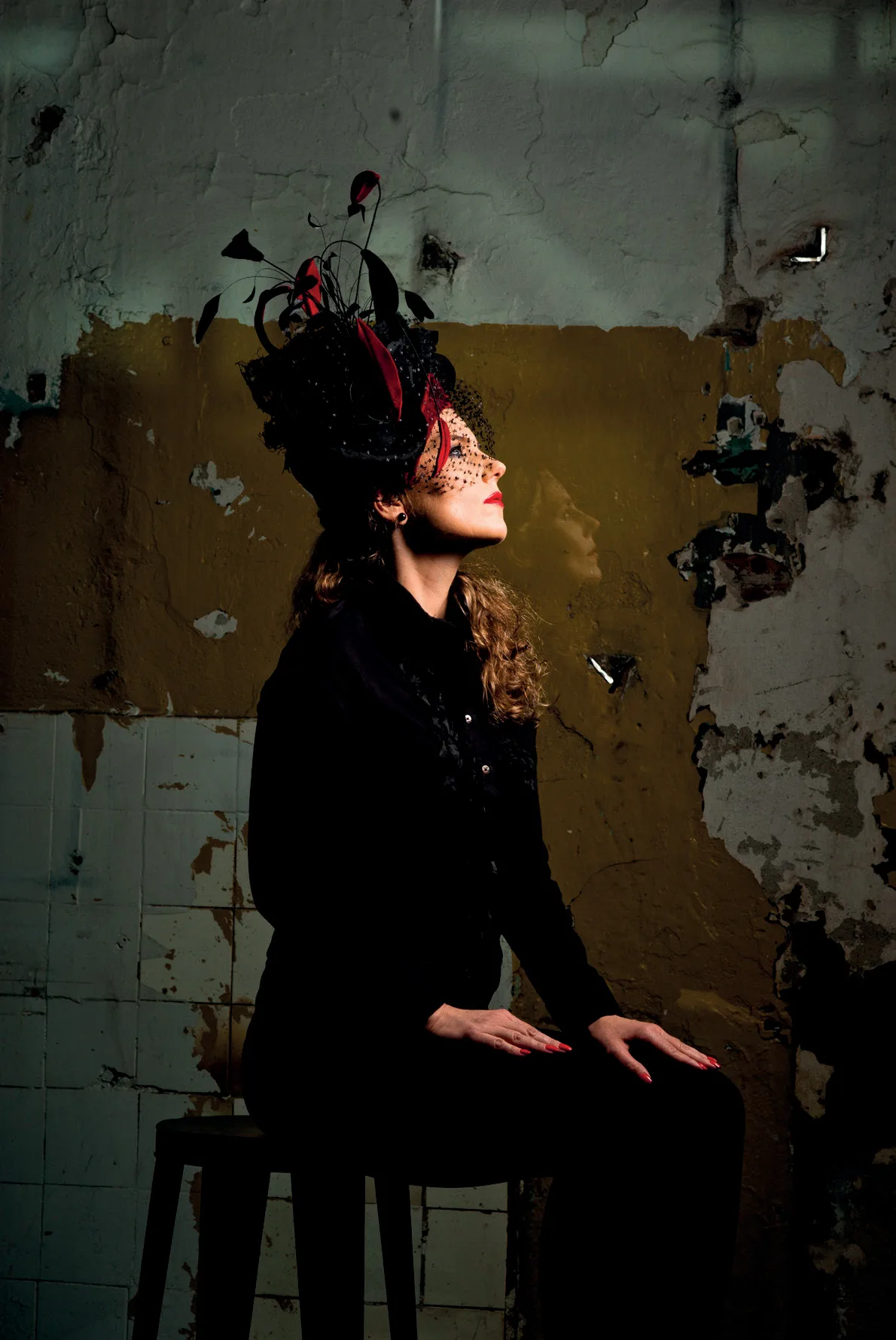
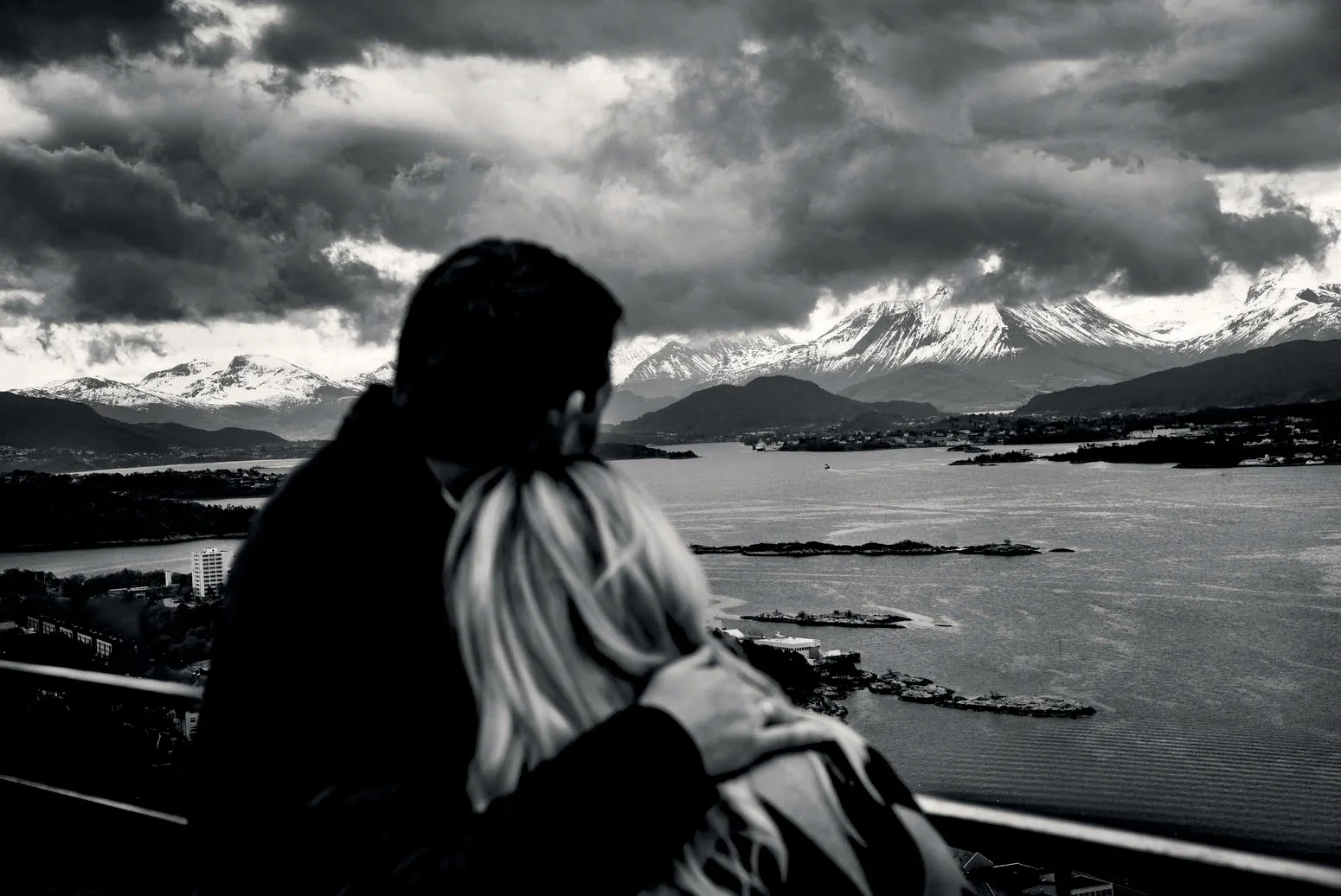
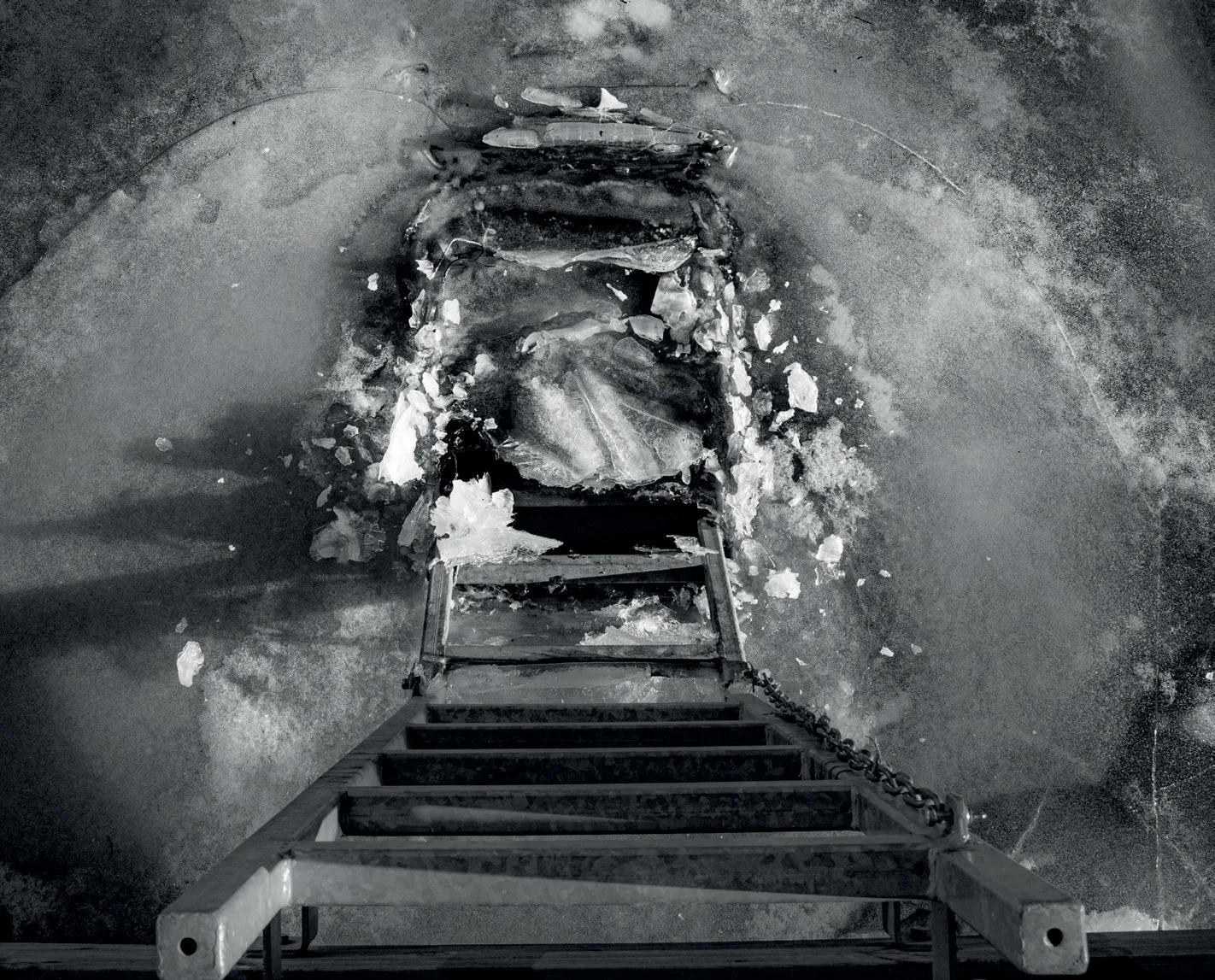
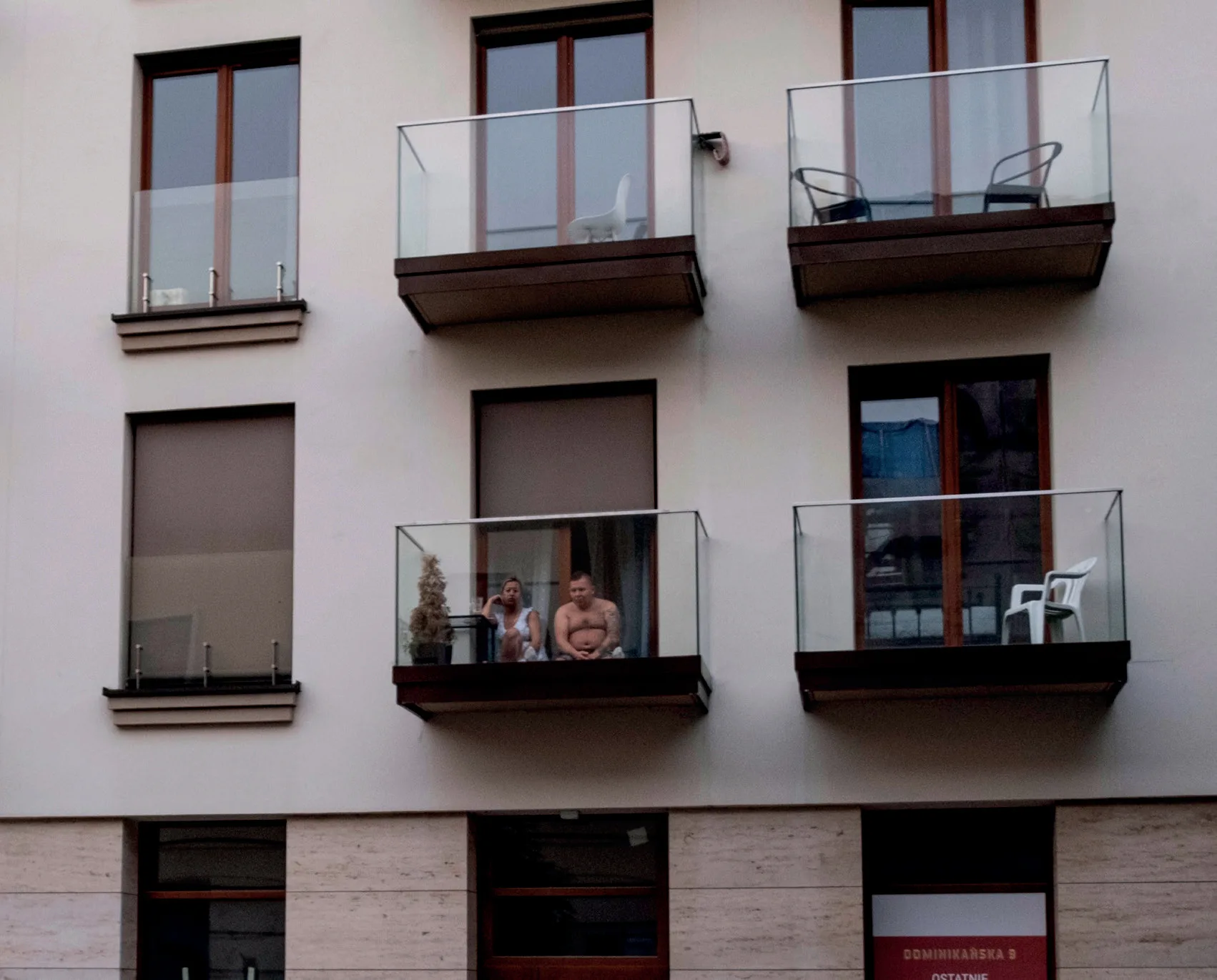
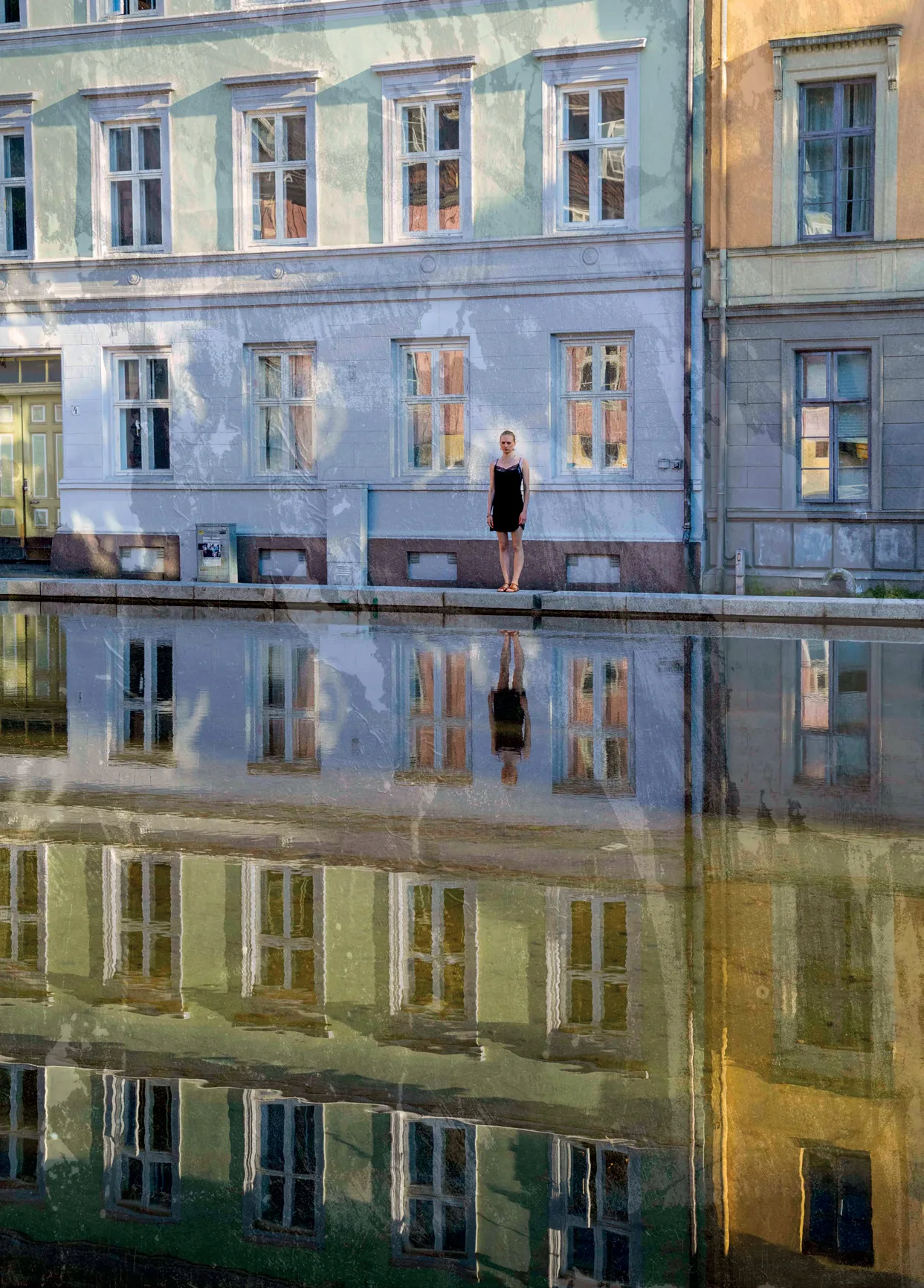
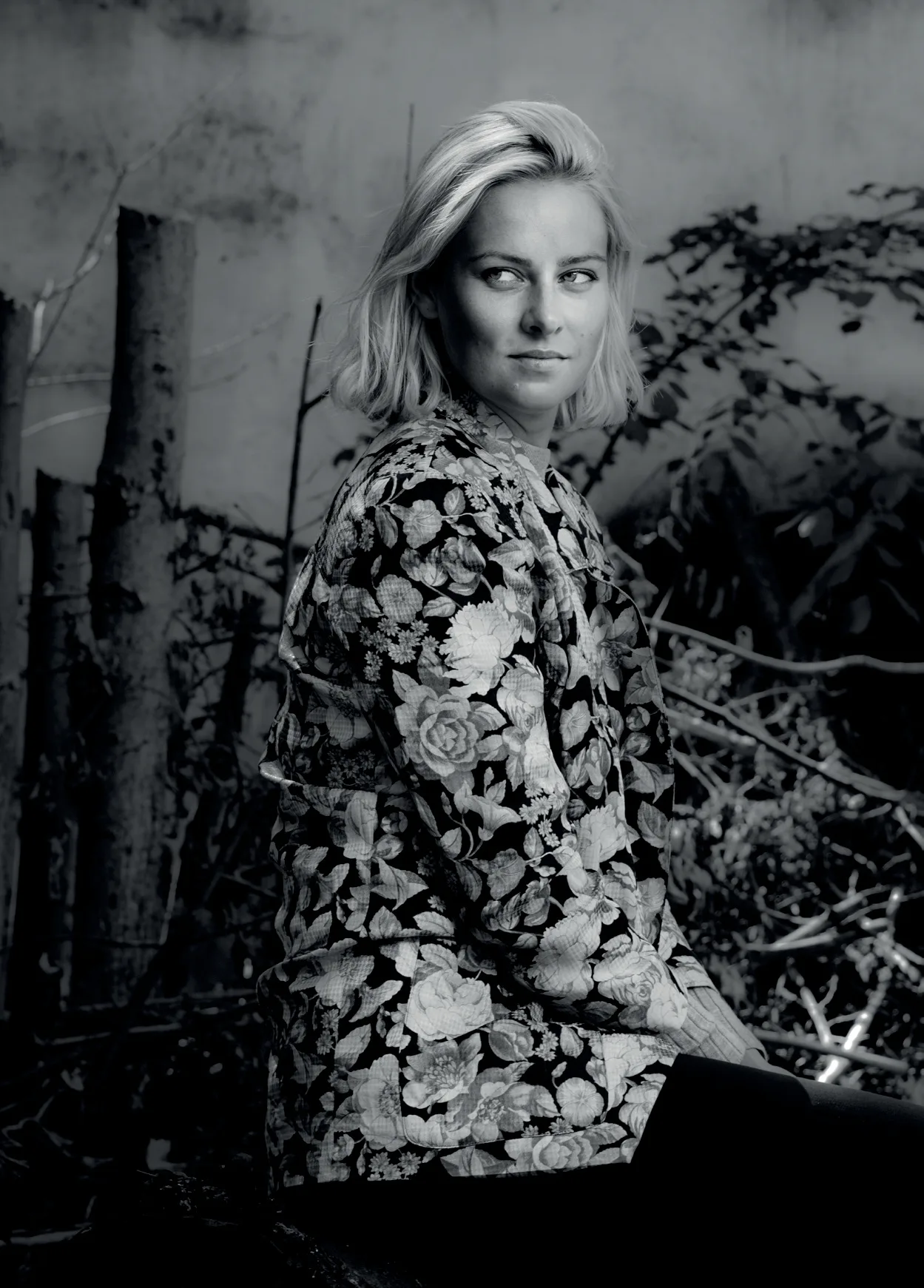
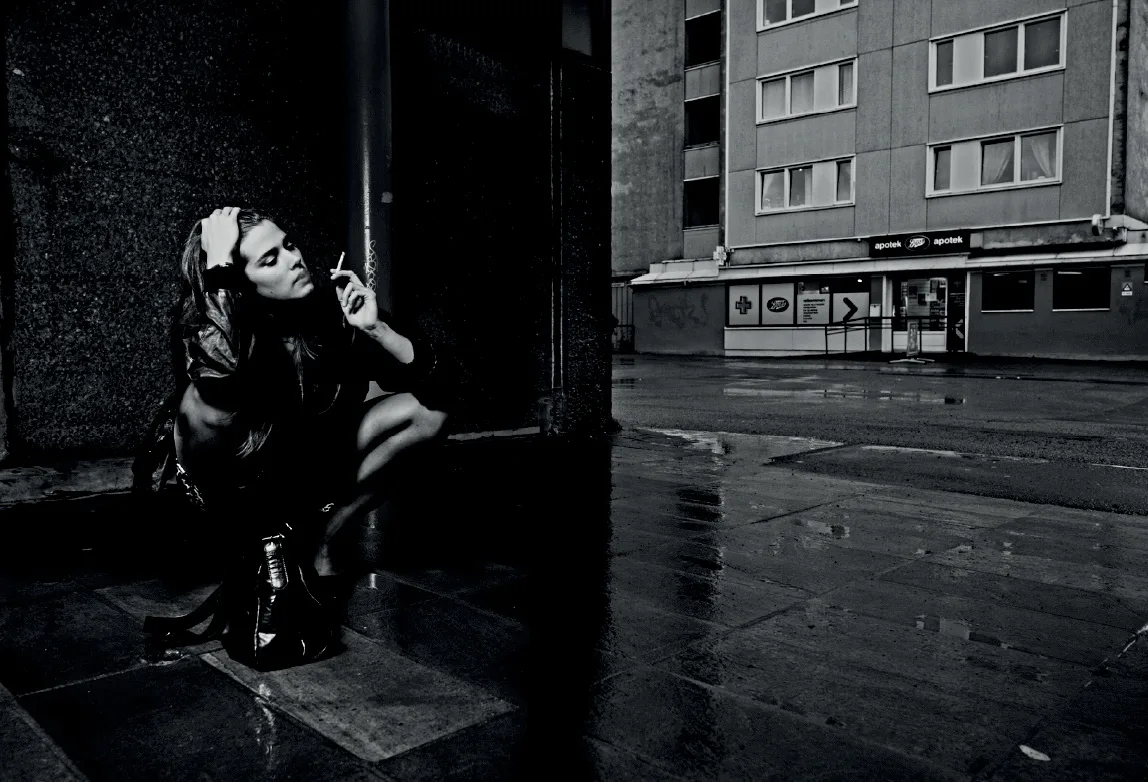
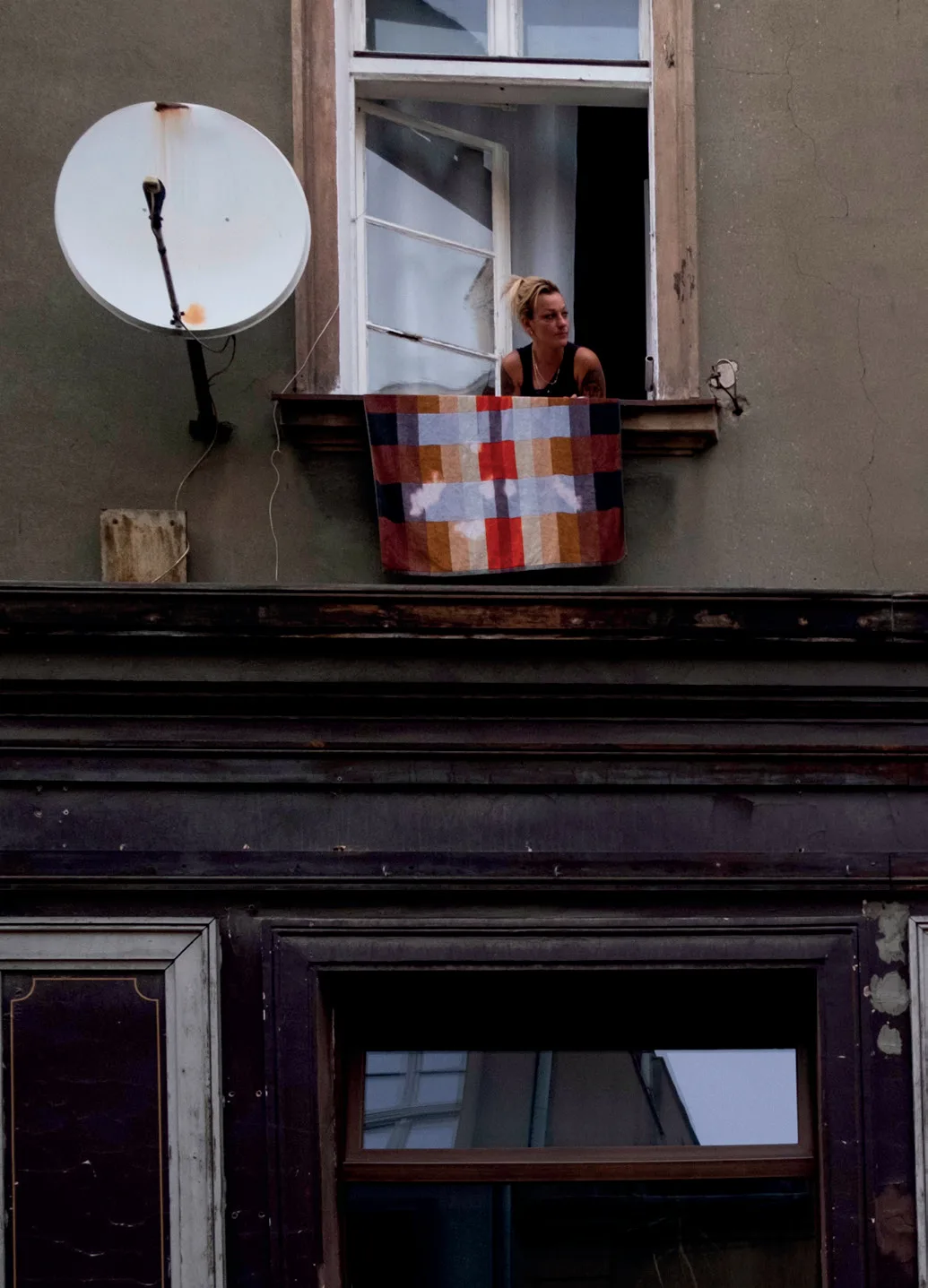
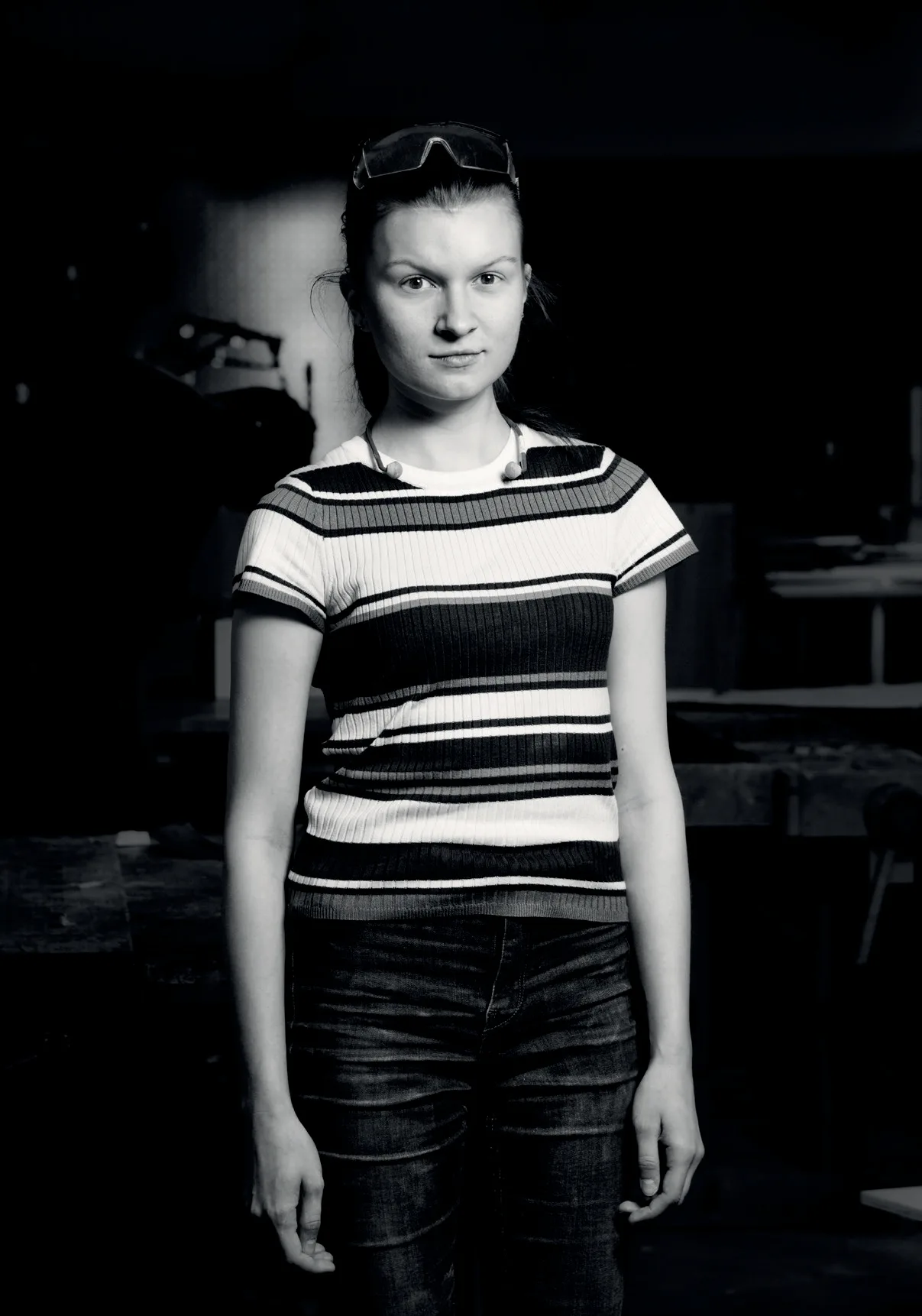
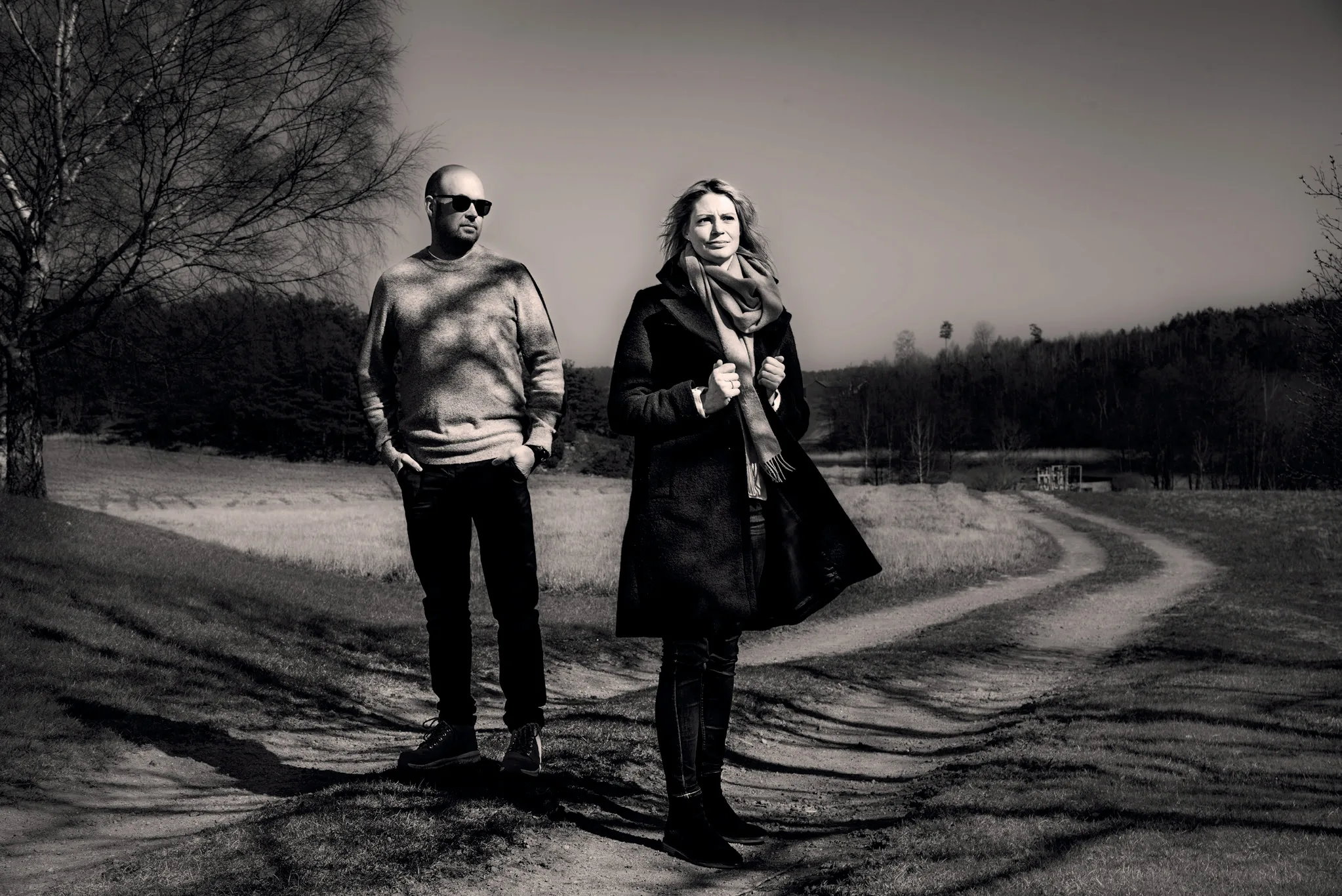
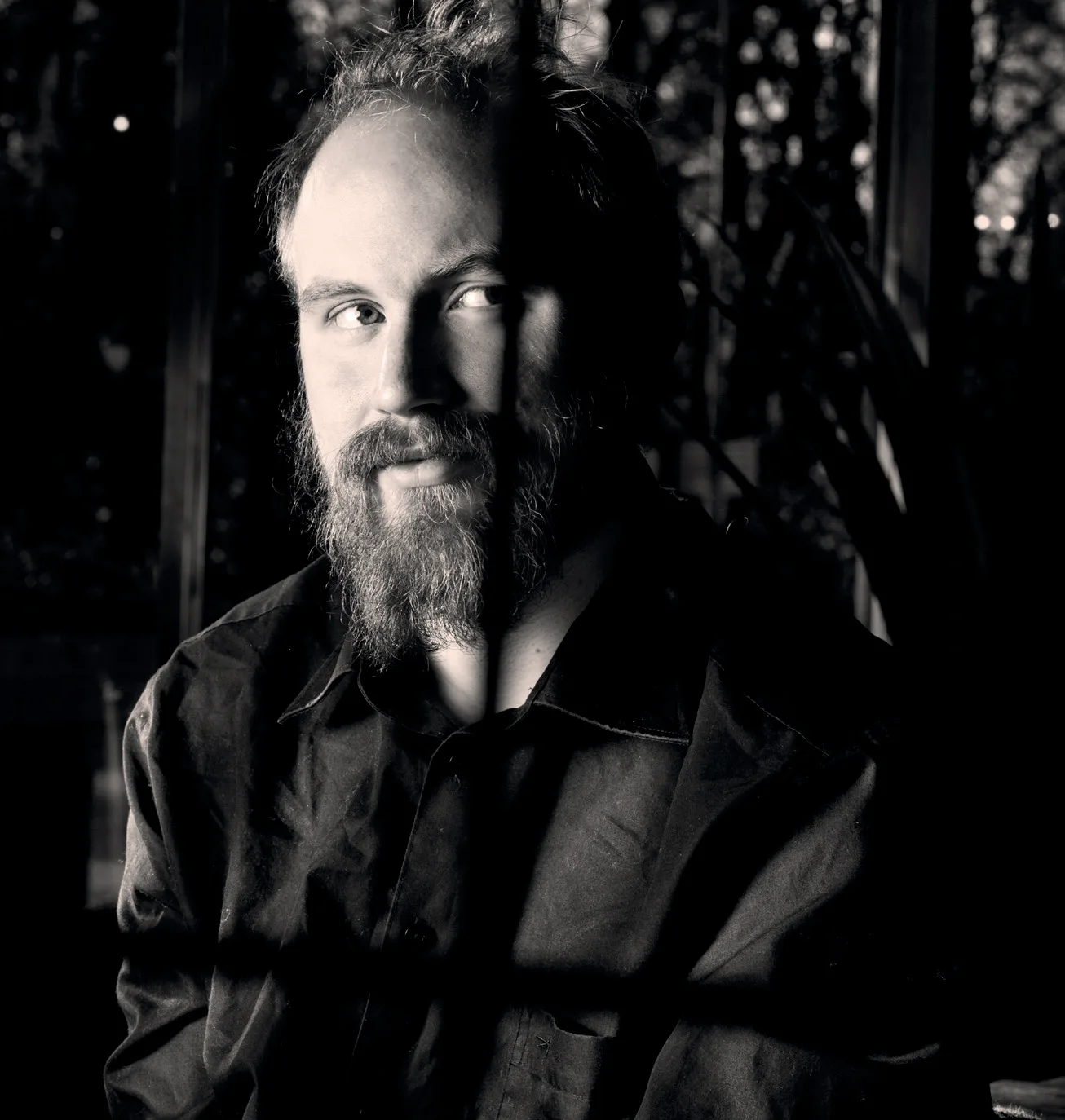
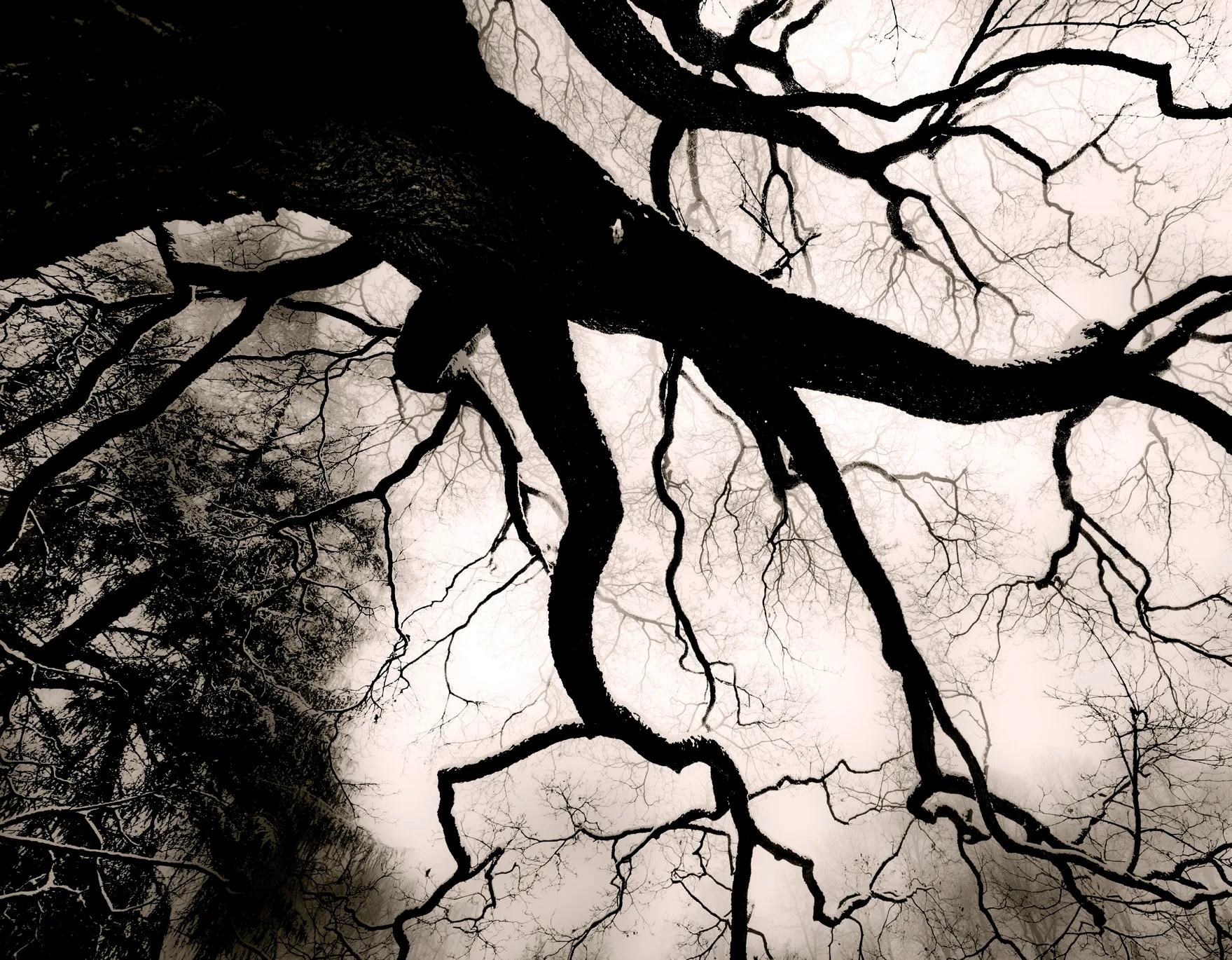
André Clemetsen photographed people who live among others and are lonely anyway. Each work is one or two photographs and a poem he wrote to them.

The series predates every submission and is the first work in the exhibition.

The theme

Loneliness

The distance between people in a built-up place. André Clemetsen worked this subject across the rooms of Volume 1, and the theme takes other series alongside it. Send the street, the stairwell, the shelter at the edge of an estate, the window with the curtains drawn at four in the afternoon, with whoever is in it.

What has been measuredOther series under this theme

About the photographer

André Clemetsen

Photographer, based in Norway. He made the photographs and wrote the poems of Adjacent Solitude, and he selects the work of Concrete Human with the founding team.

Clemetsen Art / Film & Photographs