
Concrete Human is a photo exhibition about the impact of architecture on health and wellbeing.
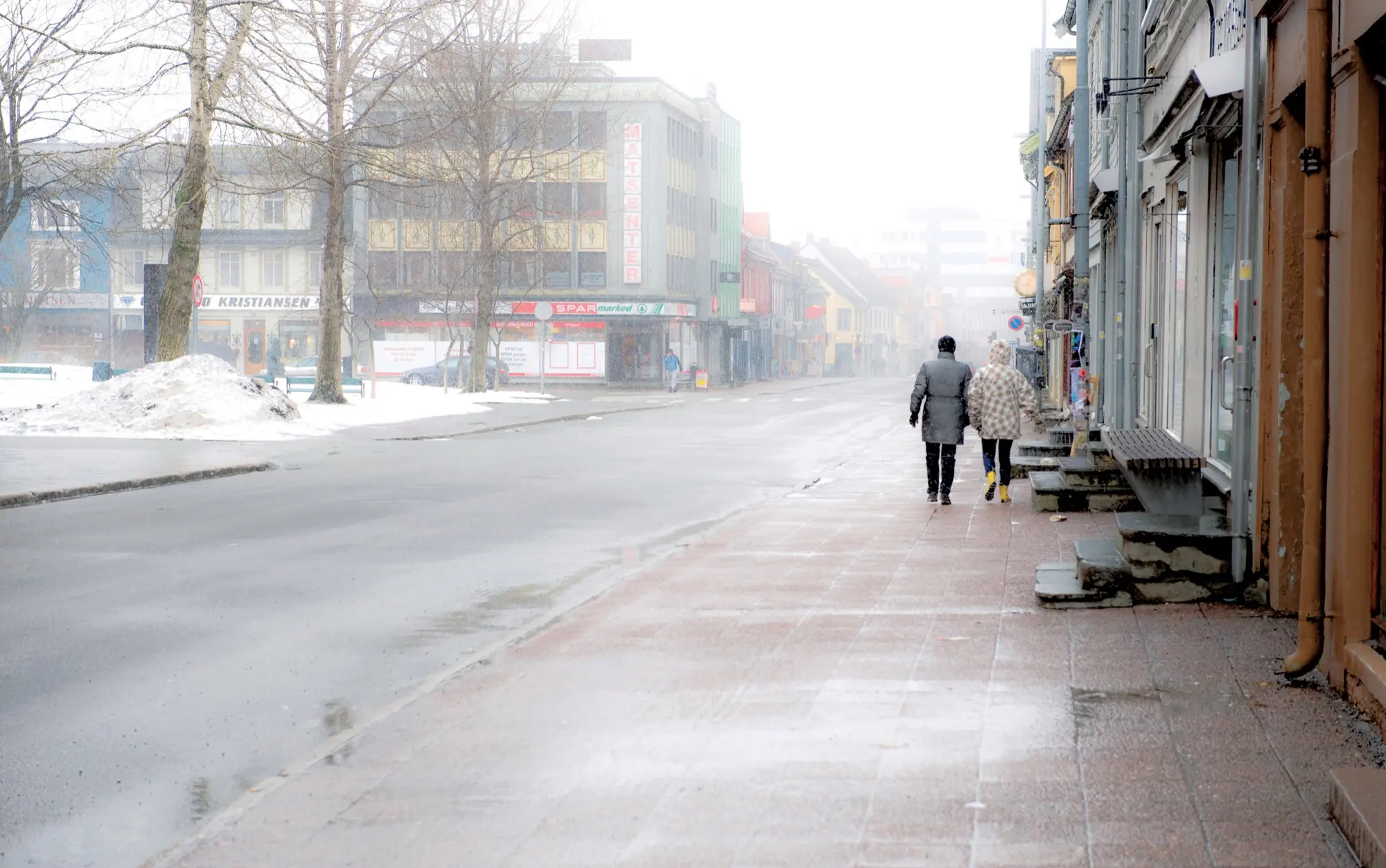
We spend 87% of our lives behind walls.
Daylight, air and green space are health decisions.
Concrete Human begins as a photographic exhibition. We are building it as a long-term platform on architecture, urban development and human health.
Researchers have documented these effects for decades. In 2001, the psychologist Frances Kuo and the landscape researcher William Sullivan counted 52% fewer crimes around buildings with high vegetation than around those with little. Office workers behind electrochromic glass slept 37 minutes longer a night, the architecture researcher Mohamed Boubekri and colleagues found in 2020. In 2016, the public health researcher Joseph Allen and colleagues raised cognitive test scores by 61% with better air and by 101% with a higher outdoor air rate as well.
Their findings seldom reach people outside science. Our exhibitions show them.
Made to confront.
The exhibition combines documentary photography with more abstract images. It shows people who live among others and are lonely anyway. Each work pairs one or two photographs with a poem by André Clemetsen and a research finding.
It shows how the way we build cities affects health, mood and everyday life. Adjacent Solitude is the first series, and the open call brings in the next.
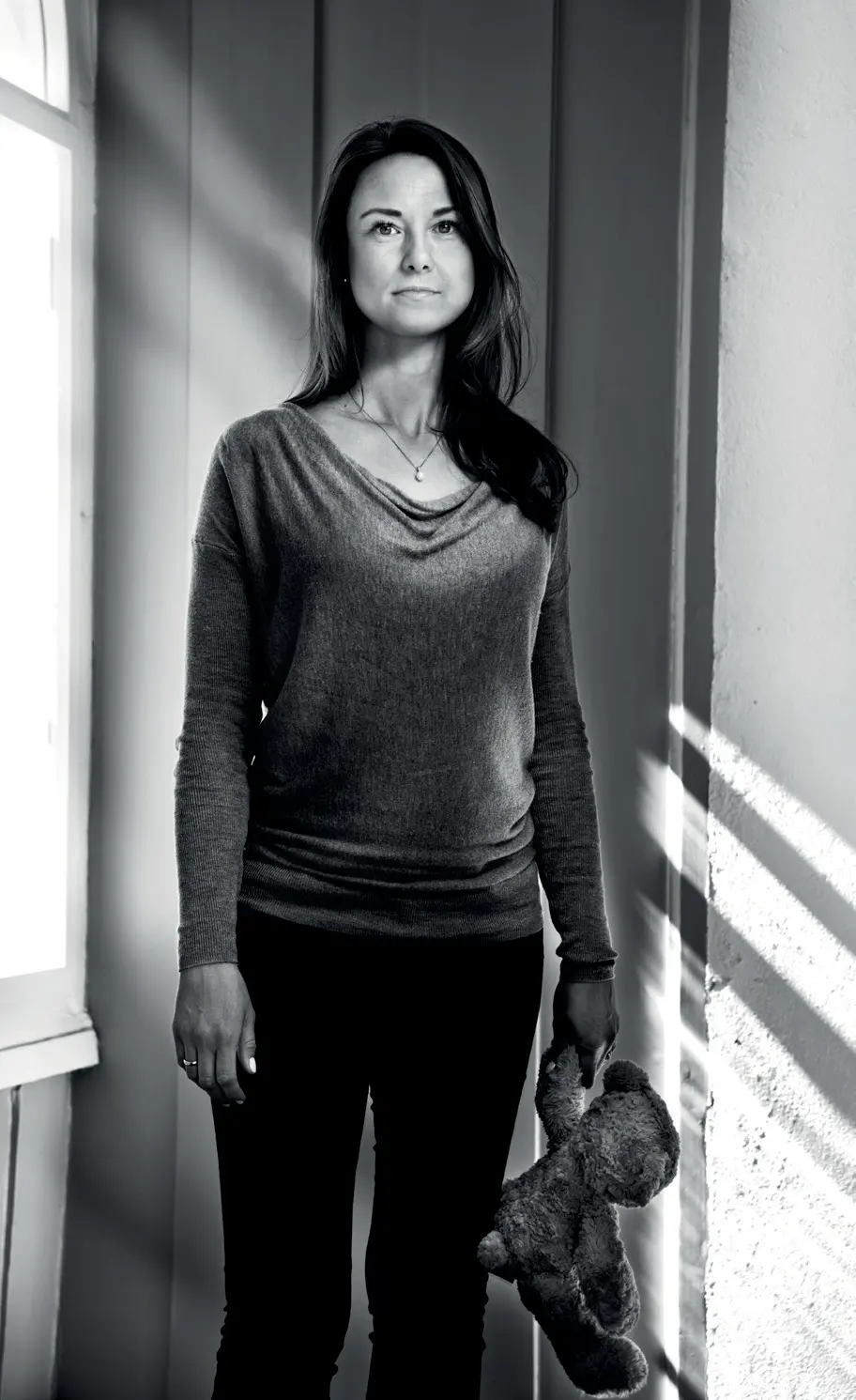
Concrete is the silence between neighbours.
We founded Concrete Human.
“We founded Concrete Human because we believe that photography is the most powerful way to show the impact of our built environment on health and wellbeing.”
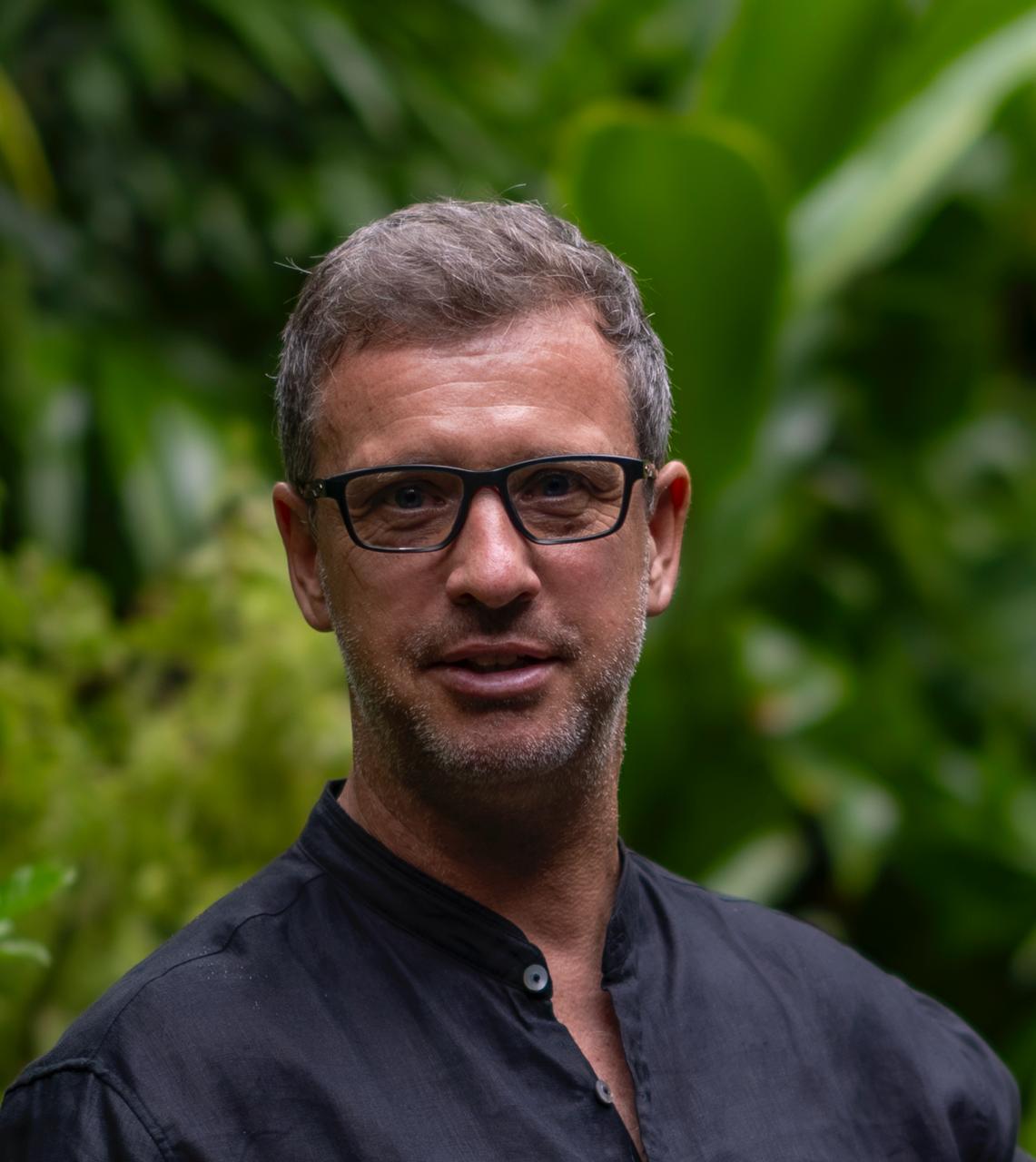 Christian Huser
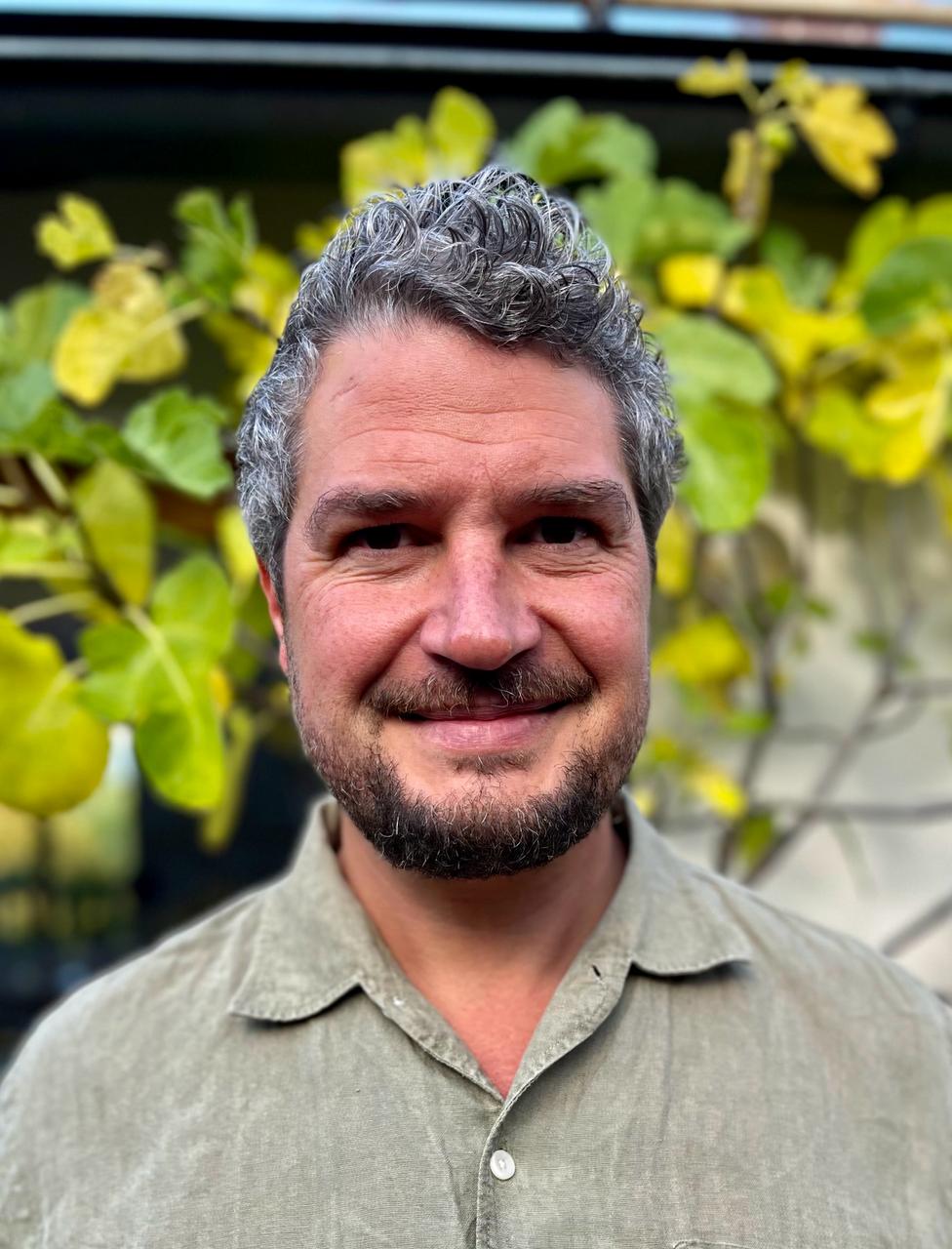 Markus Hölzl
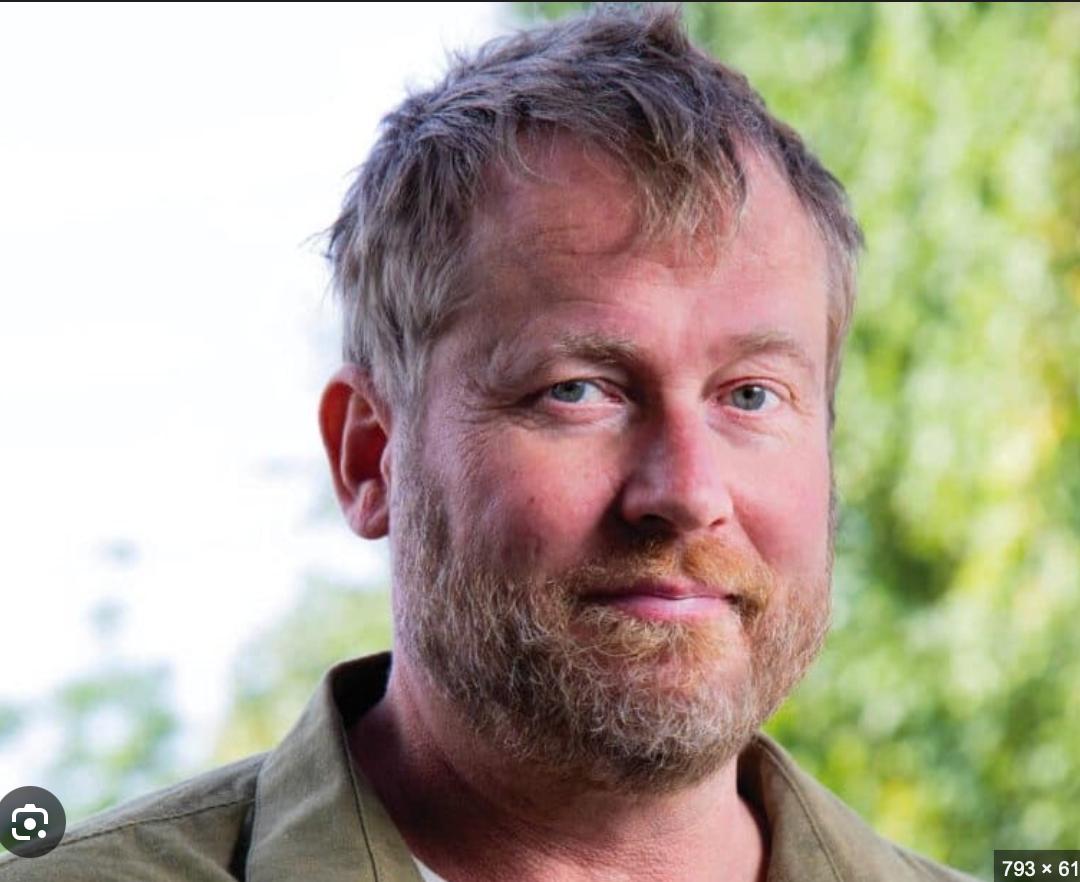 André Clemetsen
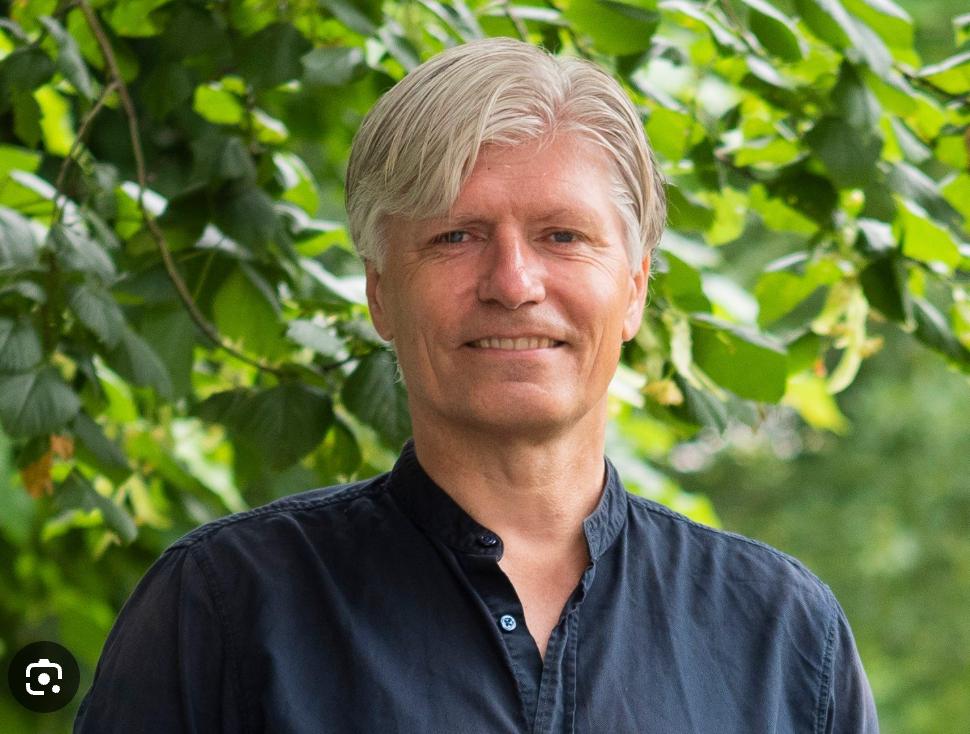 Ola Elvestuen
The organisations behind Concrete Human
Concrete Human was established by the online publication The Built Review and the strategic advisory neuecon partners.
The Built Review publishes research on how buildings affect health and performance, for architects, asset managers, developers, designers and HR managers.
neuecon partners is an independent advisory partnership for building projects. It applies environmental psychology and neuroscience to architecture.
Our advisors
- Daiana ZamlerArchitecture (PhD), health and design
- Teresa RibeiroReal estate economics
- Maria da Piedade FerreiraEducation formats, performance art
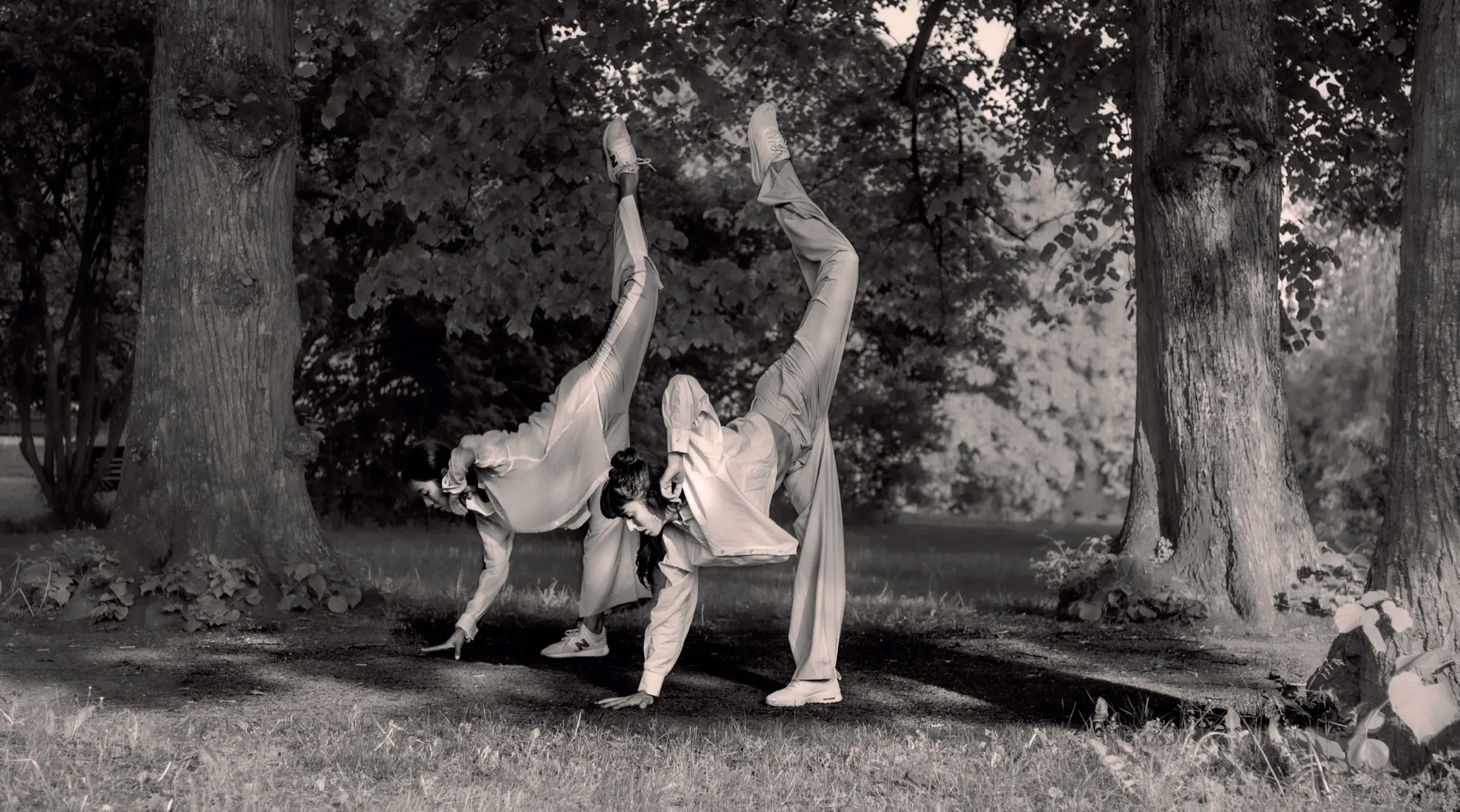
52% fewer crimes where trees grow.
A building project succeeds or fails before the design starts.
neuecon partners leads the first stages of a building project, from the first idea to the requirements for the building. In the later stages, it advises the client.
The earlier a decision is taken, the less it costs to change it.
neueconpartners
- 01Project start
- 02Project requirements
- 03Location and property
- 04Design team
- 05Design and engineering
- 06Construction
- 07Occupation
- 08Operation
- TimingThe first two of eight phases set the long-term costs and risks. Parameters set this early stay with the building for its whole life.
- PeopleStaff costs are the largest running costs of buildings where people work. The building affects the concentration, health and recovery of employees on every working day. In 2016, the public health researcher Joseph Allen and colleagues raised cognitive test scores by 61% and 101% with better air.
- Evidenceneuecon partners provides building projects with published findings on concentration, health and recovery from the first phase.

Depression drops only above 20% green cover.
Health as a condition for building
Meeting climate goals and sustainability targets is no longer enough. We believe the impact of the built environment on human health belongs among the requirements for any new development.
The crises ahead will need people who stay healthy and able to work on them. Whoever plans a building is responsible for the health of the people who will use it.
We have collected 271 findings from 259 sources.
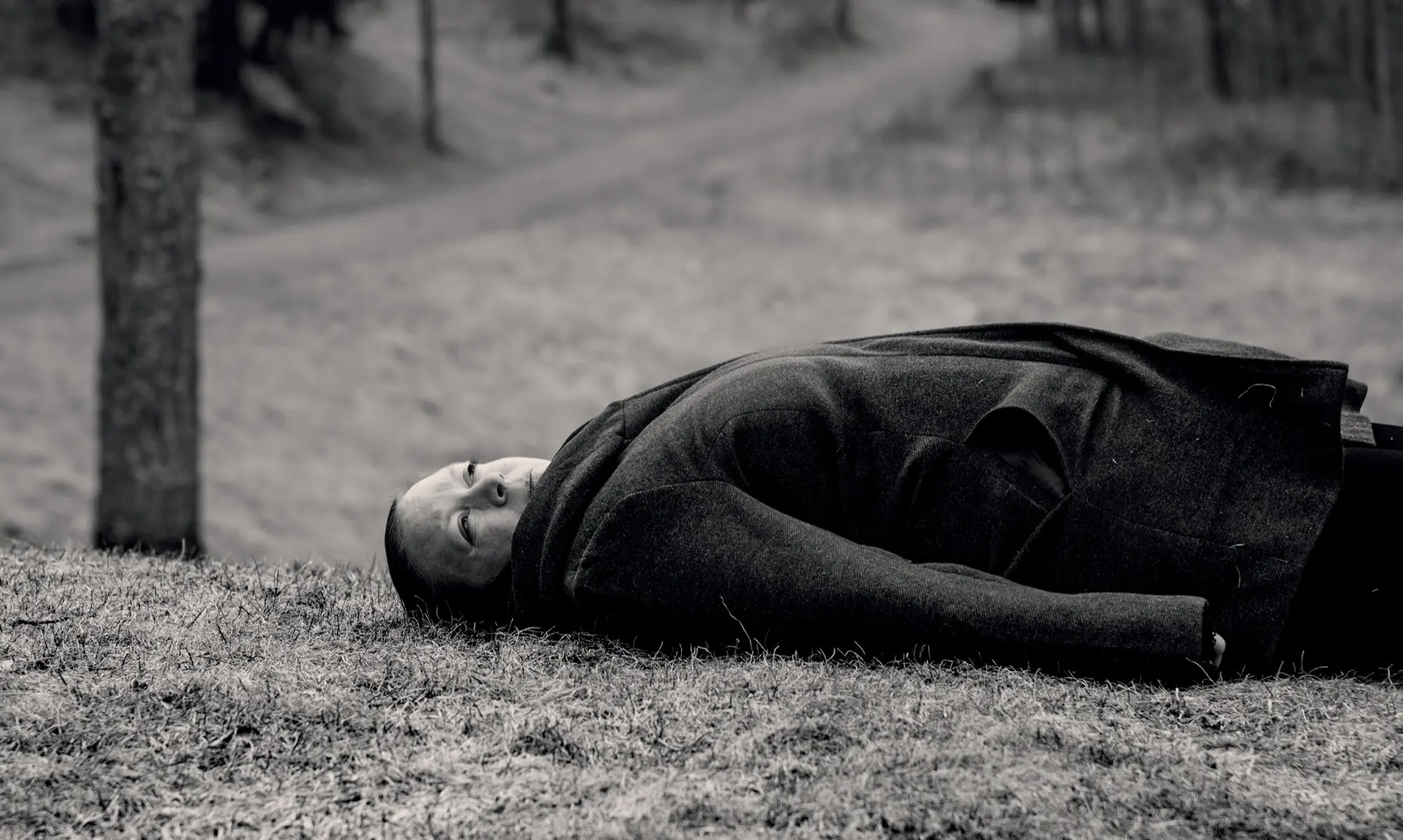
The walks weighed more than the life events.